Many women with diabetes wonder if they can observe traditional fasts without risking their health. The question of whether diabetics fast safely during Karwa Chauth and Navratri comes up every festive season, especially when nirjala (waterless) fasts coincide with long days. The short answer is: it depends on your current sugar control, medication type, and overall health, but with careful planning and medical guidance, many women do manage it.
Fasting changes how your body uses glucose and insulin. For someone on insulin or sulfonylureas, skipping meals and water for 12-15 hours can trigger hypoglycaemia (low blood sugar) or, paradoxically, hyperglycaemia if the liver releases stored glucose. The ICMR-NIN Dietary Guidelines for Indians emphasise individualised nutrition therapy, and festive fasting is no exception. Always discuss your plan with your diabetologist or a registered dietitian before the festival begins.
Key Takeaways
- Consult your doctor at least two weeks before the fast to adjust medication timing and dosage.
- Prioritise hydration during non-fasting hours with water, nimbu pani, or unsweetened chaas.
- Choose low-glycaemic, high-fibre foods like millets, legumes, and vegetables for sargi and parana meals.
- Monitor blood glucose more frequently — before, during (if symptomatic), and after the fast.
- Break the fast immediately if sugar drops below 70 mg/dL or rises above 300 mg/dL, or if you feel unwell.
Understanding the Risks of Nirjala and Phalahar Fasts
Karwa Chauth typically involves a nirjala vrat — no food or water from sunrise until moonrise. Navratri fasts vary: some observe phalahar (fruits, milk, specific grains like samak ke chawal, kuttu, singhara atta), while others do a single meal after sunset. Both patterns disrupt the usual meal-medication rhythm. Research suggests that prolonged dehydration can concentrate blood glucose, raising readings even without eating. Meanwhile, a heavy parana meal of fried puris, aloo sabzi, and sweets can cause a sharp post-prandial spike.
Women with type 1 diabetes, those on insulin pumps, or anyone with a history of severe hypoglycaemia, ketones, or diabetic ketoacidosis are generally advised against waterless fasting. The same applies during pregnancy (gestational diabetes) or if you have kidney complications. Your doctor may suggest a modified fast — for example, allowing water, unsweetened herbal tea, or a small portion of curd and nuts at midday — which still honours the tradition while protecting health.
Pre-Fast Preparation: Sargi and the Night Before
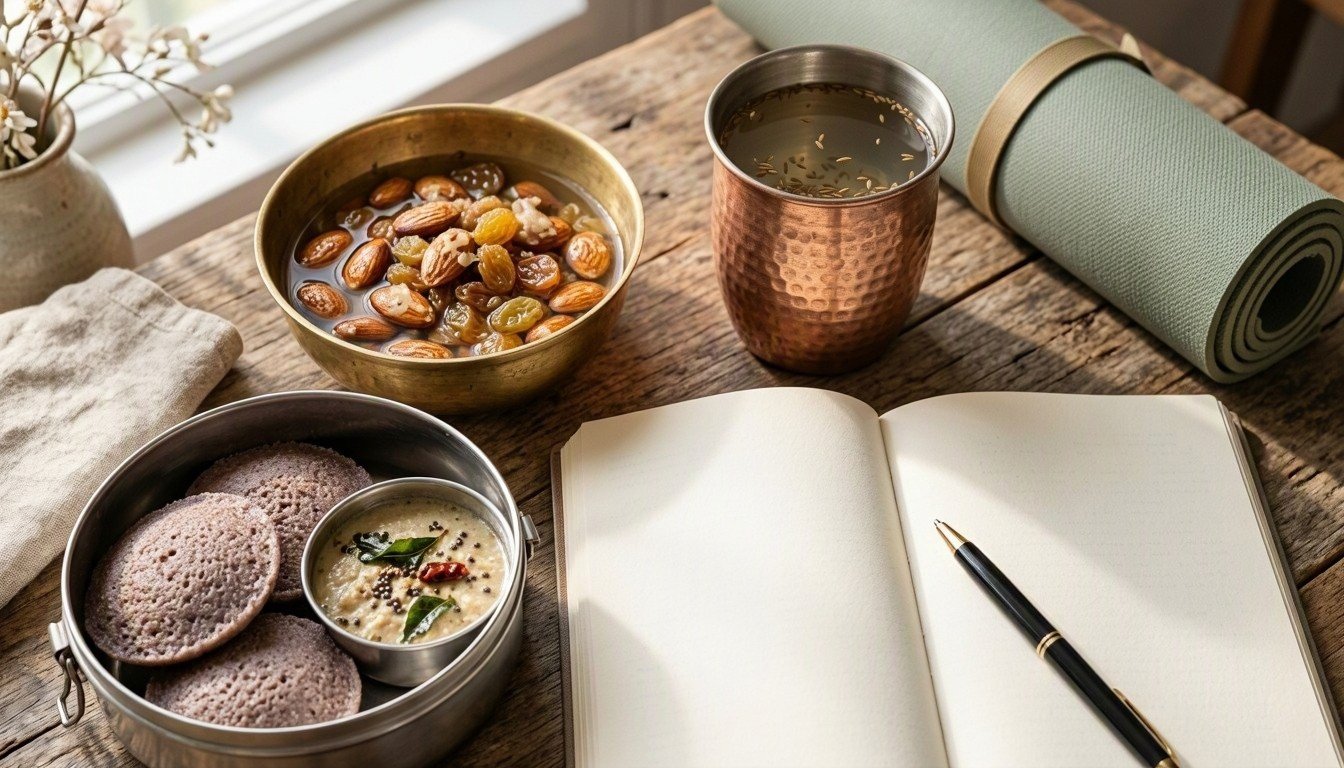
The pre-dawn sargi meal sets the tone for the entire day. Aim for a balanced plate that releases energy slowly. Include a complex carbohydrate like dalia (broken wheat) or oats porridge made with low-fat milk, a protein source such as boiled chana or a besan cheela, and a fibre-rich vegetable like methi or spinach. Add a small handful of almonds and walnuts for healthy fats. Avoid deep-fried items, sugary pheni, or excessive mithai, which cause a rapid glucose surge followed by a crash.
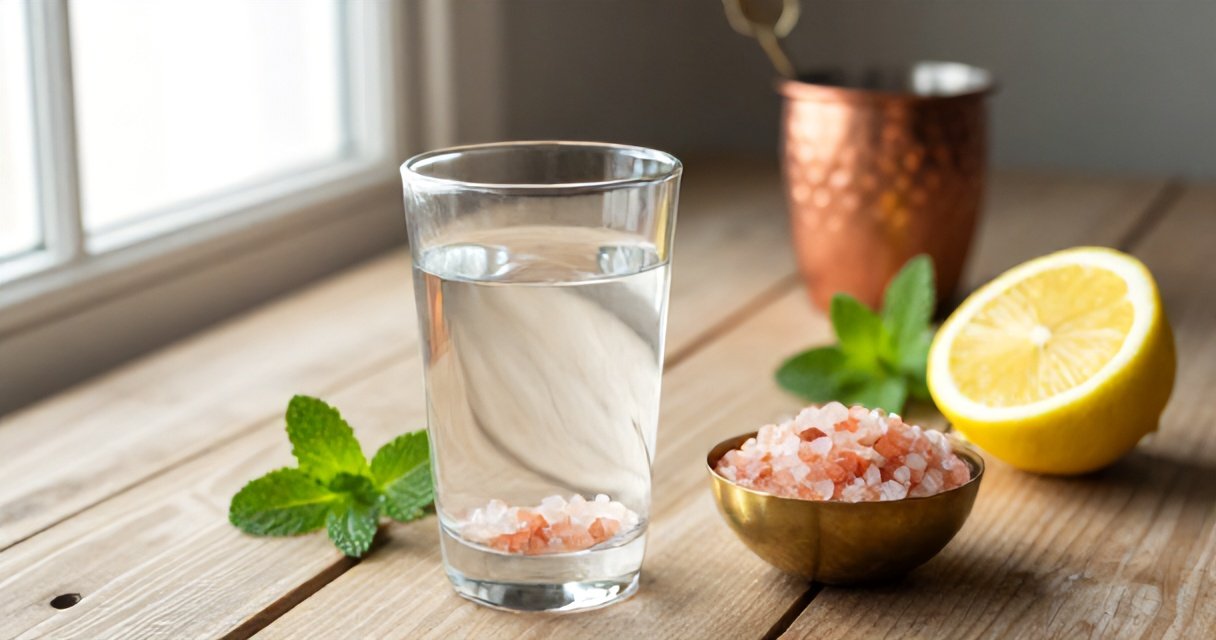
Hydration starts the night before. Drink 2-3 glasses of water before bed and keep a bottle by your bedside. In the morning, finish at least 500 ml of water during sargi. If your fast permits liquids, sip on jeera water, diluted buttermilk, or coconut water through the day. These provide electrolytes without significant carbohydrate load. For more structured meal ideas, see our guide to high-fibre Indian diet plans for blood sugar control.
Smart Food Choices During Phalahar Navratri Fasts
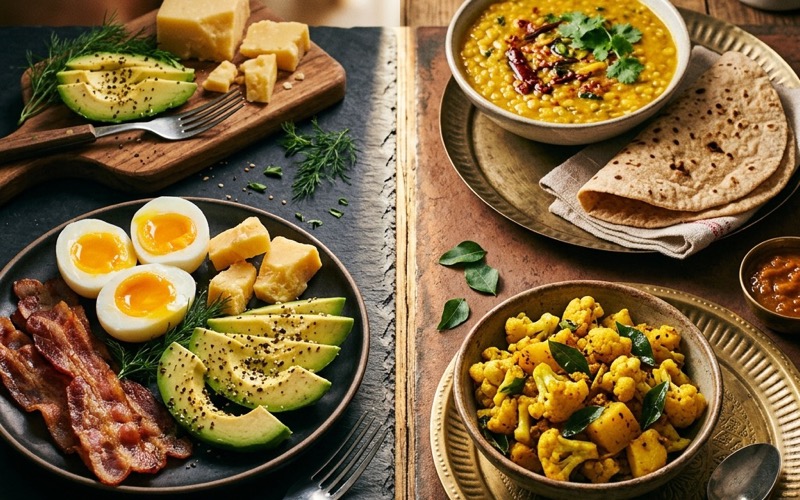
Navratri allows a wider range of ingredients, making glucose management easier if you choose wisely. The pseudo-cereals commonly used — samak (barnyard millet), kuttu (buckwheat), singhara (water chestnut flour), and rajgira (amaranth) — have a lower glycaemic index than wheat or rice. Prepare them as khichdi, dosa, or roti with minimal ghee. Pair with protein-rich sides like lauki raita, kala chana sundal, or paneer bhurji to flatten the glucose curve.
- Replace fried kuttu puris with kuttu roti or chilla cooked on a non-stick tawa with a spray of oil.
- Use singhara atta to make a thin dosa stuffed with grated carrot, capsicum, and coriander.
- Enjoy a bowl of samak khichdi with moong dal and seasonal vegetables like pumpkin and beans.
- Snack on roasted makhana, a small apple or guava, and a few walnuts instead of namkeen or sweets.
- Sip on ginger-infused warm water; studies suggest ginger may support glucose metabolism and digestion.
Portion control remains key. Even healthy grains raise blood sugar if eaten in large quantities. A typical serving is 30-40 g dry weight of grain per meal. For digestive comfort and blood sugar benefits, consider adding ginger to your meals; read more in our post on ginger benefits for digestion and blood sugar.
Medication Timing and Monitoring Strategies
Medication adjustment is the single most important safety step. If you take metformin, your doctor may advise taking the usual morning dose with sargi and the evening dose at parana. For sulfonylureas (glimepiride, gliclazide) or insulin, dose reduction or timing shift is often needed to avoid night-time hypoglycaemia. Basal insulin may be reduced by 10-20% on the fasting day; bolus insulin is skipped for missed meals. Never self-adjust insulin without your doctor's written plan.
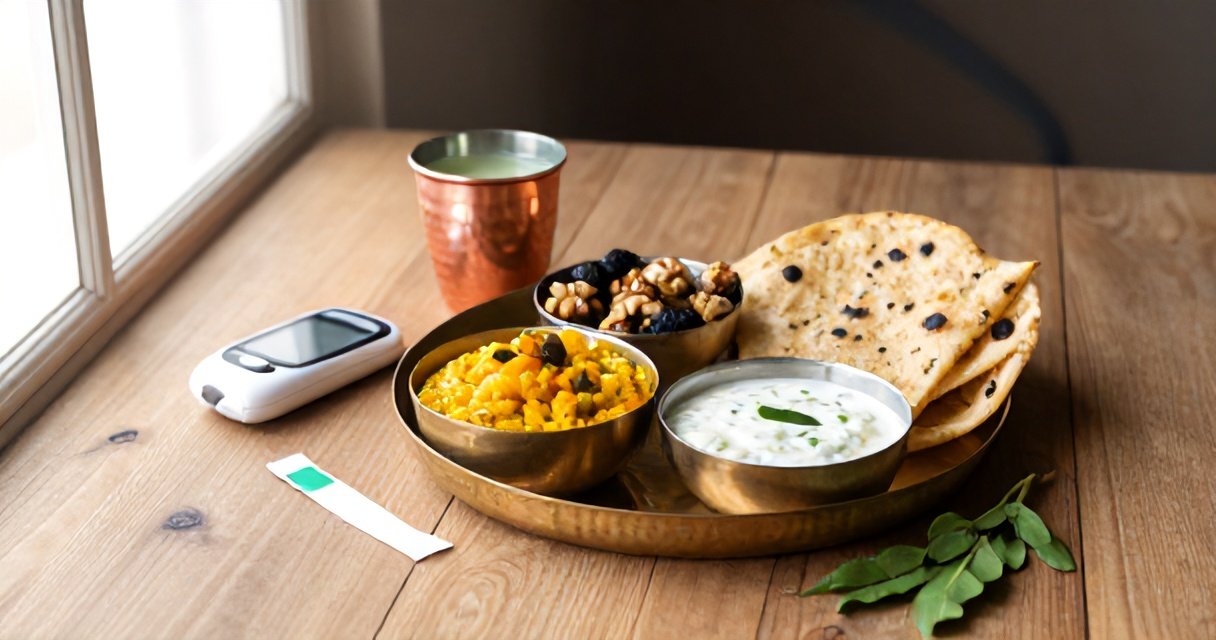
Check capillary blood glucose at least four times: pre-sargi, mid-day (if you feel symptoms), pre-parana, and two hours post-parana. Continuous glucose monitoring (CGM) users should set alerts for 70 mg/dL and 250 mg/dL. Keep fast-acting carbohydrate (glucose tablets, 150 ml fruit juice, or a teaspoon of honey) within reach at all times. If sugar falls below 70 mg/dL, break the fast immediately — your health takes precedence over ritual.
Breaking the Fast: Parana Meal Do's and Don'ts
The moment the moon is sighted (Karwa Chauth) or the fast ends (Navratri), resist the urge to overeat. Start with a glass of water and a date or two — traditional and gentle on glucose. Follow with a light, protein-first meal: a bowl of moong dal soup, a besan cheela with mint chutney, or two egg whites with sautéed spinach. Wait 20-30 minutes before adding complex carbs like a small millet roti or a portion of brown rice with seasonal sabzi (bhindi, tinda, parwal).
Avoid the typical festive spread of puri, chole, halwa, and kheer all at once. That combination delivers a massive carbohydrate and fat load, leading to prolonged hyperglycaemia and digestive distress. If you must taste the festive sweets, limit to one tablespoon of a homemade, reduced-sugar version (using stevia or a sugar-free alternative approved by your dietitian) and account for it in your carb count. Hydrate steadily over the next two hours with water, chaas, or clear soups.
When to Modify or Skip the Fast
Religious texts across traditions permit exemptions for health reasons. The Garuda Purana and many modern spiritual leaders state that preserving life and health is a higher dharma. Consider a modified fast if: your HbA1c is above 8%, you've had recent hypoglycaemia unawareness, you're unwell with an infection, or you're travelling and cannot monitor properly. A "fruit and milk" fast, or simply abstaining from specific favourite foods while eating balanced meals, can be a meaningful spiritual offering.
Post-festival, resume your regular meal and medication schedule. Expect slightly higher readings for 24-48 hours due to stress hormones and dietary changes. If values remain elevated beyond three days, contact your care team. Use the festival as motivation to tighten daily habits — consistent sleep, 30 minutes of walking, and a high-fibre plate — rather than viewing the fast as a one-off test. Explore more sustainable approaches in our article on intermittent fasting safety for Indian women.
Frequently Asked Questions
Can I drink water during Karwa Chauth if I have diabetes?
Strict nirjala fasts prohibit water, but most doctors allow sipping water or unsweetened fluids for medical conditions. Discuss a modified fast with your diabetologist; many women observe the ritual with water intake and still consider the vrat complete.
What are the best sargi foods for diabetic women?
Choose low-GI carbs like dalia or oats, protein such as boiled chana or egg whites, fibre-rich vegetables, and nuts. Avoid fried items, sugary pheni, and excessive mithai. Hydrate well with 500 ml water during sargi.
Which Navratri flours are safe for blood sugar?
Samak, kuttu, singhara, and rajgira have lower glycaemic impact than wheat. Prepare as khichdi, roti, or dosa with minimal oil. Pair with protein (curd, paneer, legumes) and vegetables to further blunt glucose spikes.
Should I stop my diabetes medicine on fasting days?
Never stop or change medication without your doctor's written instruction. Metformin timing may stay similar; sulfonylureas and insulin usually need dose reduction or schedule shifts to prevent hypoglycaemia during long gaps without food.
What sugar level means I must break the fast immediately?
Break the fast if glucose drops below 70 mg/dL (hypoglycaemia) or rises above 300 mg/dL with ketones or symptoms like vomiting, dizziness, or confusion. Keep glucose tablets or juice handy and treat low sugar first, then inform your doctor.
Celebrate Tradition Without Compromising Health
Fasting with diabetes is possible for many women when approached with preparation, medical partnership, and self-compassion. The festivals honour devotion and discipline — qualities you already practice daily in managing your health. By choosing nutrient-dense foods, staying hydrated, monitoring closely, and knowing your red lines, you can observe Karwa Chauth and Navratri in a way that respects both your faith and your body.
Have you navigated a festive fast with diabetes? Share your tips, favourite sargi recipes, or questions in the comments below — your experience could guide someone else this season.
💚 Want more simple, science-backed tips for eating well the Indian way? Download the Healthilicious Plate app for daily health guides, nutrition tips and healthy desi recipes right on your phone.
Disclaimer: This article is for general information only and is not medical advice. Please consult a qualified doctor or registered dietitian before making changes to your diet, especially if you have a health condition, are pregnant or take medication.