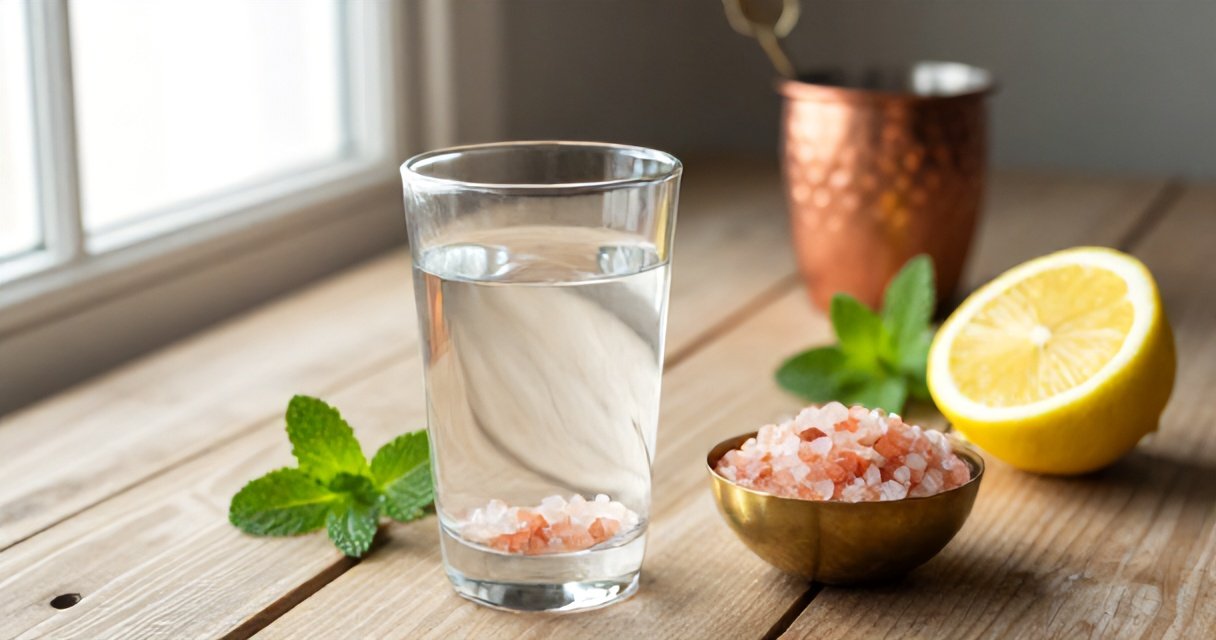
Many Indians start their day with a glass of Pink Himalayan salt morning water after seeing influencers claim it boosts energy, balances hormones and even melts belly fat. The ritual looks simple: a pinch of pink crystals in warm water, first thing on an empty stomach. But before you make this a daily habit, it helps to know what the science actually says.
As a nutritionist working with Indian families, I hear questions like "kya pink salt se weight loss hota hai?" or "is this better than normal namak?" every week. This article breaks down the claims, looks at the mineral content, and checks them against the ICMR-NIN Dietary Guidelines for Indians so you can decide what fits your kitchen and your health goals.
Key Takeaways
- Pink Himalayan salt contains trace minerals, but the amounts are too small to meet daily needs.
- Morning salt water may support hydration, yet plain water with a balanced breakfast works just as well.
- ICMR recommends limiting sodium to 2 grams per day; any added salt counts toward that limit.
- People with high blood pressure, kidney issues or heart conditions should avoid extra salt rituals.
- Real electrolyte balance comes from whole foods like coconut water, seasonal fruits and home-cooked meals.
What Is Pink Himalayan Salt and Why Is It Popular?
Pink Himalayan salt is mined from the Khewra salt mines in Pakistan, not the Himalayas. Its pink hue comes from iron oxide and trace minerals like magnesium, potassium and calcium. Marketing often calls it "pure", "unrefined" and "rich in 84 minerals", which makes it sound superior to regular iodised salt.
In Indian metros, you now see it in organic stores, supermarkets and even local kirana shops. Influencers promote it as a "detox" drink, a remedy for acidity and a way to "alkalise" the body. The visual appeal of coarse pink crystals in a copper glass adds to the allure, especially during festive detox trends.
Mineral Content: What the Numbers Actually Show
Laboratory analyses confirm that pink salt contains small amounts of calcium, magnesium and potassium. However, to get even 10 percent of your daily magnesium requirement, you would need to eat several grams of salt — far above the safe sodium limit set by ICMR.
The ICMR-NIN Dietary Guidelines for Indians 2024 advise keeping sodium intake under 2 grams per day (about 5 grams of salt). A single teaspoon of any salt, pink or white, already provides roughly 2.3 grams of sodium. Relying on salt for minerals crowds out nutrient-dense foods like leafy greens, dals, nuts and millets that deliver far more minerals per calorie.
Does Morning Salt Water Improve Hydration?
Adding a pinch of salt to water can help the body retain fluid, which is useful after heavy sweating or during diarrhoea. For a sedentary office-goer in an air-conditioned room, the extra sodium is unnecessary. Plain water followed by a breakfast that includes curd, fruit or a millet roti supplies electrolytes naturally.
If you exercise early — say a 5 km run or a 45-minute yoga session — a homemade electrolyte drink with a pinch of salt, lemon juice and a teaspoon of jaggery in 500 ml water is more balanced than plain salt water. This mirrors the oral rehydration principle WHO recommends.
Claims Around Digestion, Acidity and "Detox"
Many reels suggest that pink salt water stimulates digestive enzymes and reduces acidity. In reality, salt can trigger acid secretion in some people, worsening reflux. Ayurveda traditionally uses saindhav namak (rock salt) in small amounts with ginger and lemon for agni support, not a daily glass of concentrated salt water on an empty stomach.
For gentle morning digestion, a cup of warm water with grated ginger, a squeeze of lemon and a pinch of roasted cumin powder is a time-tested gharelu nuskha that aligns with both Ayurveda and modern gut-health research. You can read more about such habits in our guide to 10 morning habits that transform your health.
Weight Loss and Metabolism: Separating Fact from Fiction
No clinical study shows that pink salt water increases fat burning or metabolic rate. Weight changes come from a sustained calorie deficit, adequate protein, fibre and movement. Excess sodium, on the other hand, causes water retention, making the scale go up temporarily and masking real progress.
If you are exploring intermittent fasting for weight management, remember that adding salt water breaks a strict fast and may spike insulin in sensitive individuals. Our article on intermittent fasting safety for Indian women discusses hydration strategies that work without extra sodium.
Who Should Avoid the Morning Salt Water Ritual?
- People with hypertension or a family history of high blood pressure.
- Those with chronic kidney disease or on sodium-restricted diets.
- Pregnant women advised to limit salt by their obstetrician.
- Older adults prone to oedema or on diuretics.
- Anyone already consuming pickles, papads, packaged snacks or restaurant meals daily.
For these groups, even a "small pinch" adds up. The ICMR guidelines emphasise that hidden sodium in processed foods is the bigger culprit, so reading labels matters more than switching salt types. Learn label-reading skills in our post on how to read food labels.
Practical Swaps for a Healthier Morning Routine
- Start with 300 ml plain warm water to rehydrate after sleep.
- Add half a lemon for vitamin C and a refreshing taste.
- Follow with a fibre-rich breakfast: vegetable dalia, moong dal chilla, or overnight oats with chia seeds and seasonal fruit like guava or papaya.
- If you sweat heavily, sip coconut water or buttermilk with a pinch of roasted cumin and mint.
- Use iodised salt in cooking to meet iodine needs; reserve pink salt as a finishing sprinkle on salads or raita for flavour, not nutrition.
These steps keep sodium in check while delivering real nutrients. Seasonal produce like amla in winter, mango in summer and jamun during monsoon add antioxidants that no salt can provide.
What Ayurveda Says About Salt in the Morning
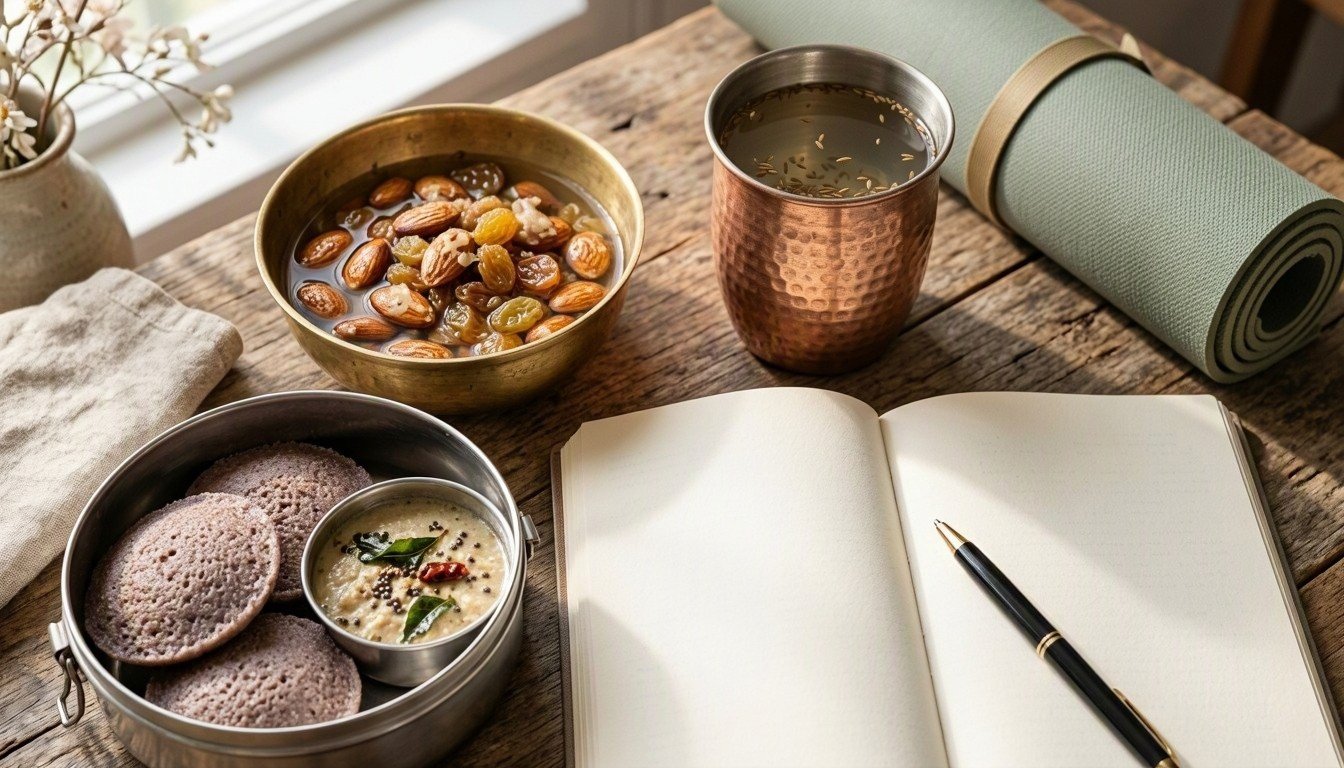
Classical texts classify salts by source and effect. Saindhav lavana (rock salt) is considered the best for daily use because it is cooling and balances all three doshas. However, Ayurveda never prescribes a concentrated salt water drink as a universal morning ritual. Instead, it recommends ushapan — drinking plain water stored overnight in a copper vessel — followed by oral hygiene and a warm, spiced beverage suited to your constitution.
If you enjoy Ayurvedic home remedies, our piece on 8 powerful Ayurvedic remedies your dadi was right about covers safe, evidence-aligned practices.
Frequently Asked Questions
Kya pink salt water se weight loss hota hai?
No direct evidence links pink salt water to fat loss. Any weight drop is usually water weight from reduced bloating, not fat burning. Sustainable loss needs a calorie deficit, protein, fibre and activity.
Is pink salt better than iodised salt for thyroid?
Pink salt has negligible iodine. India's National Iodine Deficiency Disorders Control Programme relies on iodised salt to prevent goitre and hypothyroidism. Switching entirely to pink salt risks iodine deficiency unless you eat iodine-rich foods like seaweed, dairy or eggs daily.
Can I drink pink salt water if I have high BP?
People with hypertension should avoid added salt rituals. The ICMR sodium limit of 2 grams per day includes all sources. Consult your doctor or a registered dietitian before adding any salt supplement.
Does pink salt water help electrolyte balance after workout?
A pinch of salt with lemon and jaggery in water can help after intense sweat loss. For light activity, plain water and a banana or orange provide enough potassium and magnesium.
How much pink salt is safe per day?
Treat it like any salt: total salt from all sources should stay under 5 grams (one teaspoon) per day as per ICMR. If you use pink salt in cooking, skip the morning drink to stay within limits.
Bottom Line: Keep It Simple and Evidence-Based
Pink Himalayan salt morning water is a wellness trend, not a nutritional necessity. The trace minerals are a bonus, not a reason to increase sodium intake. For most Indians, focusing on iodised salt in cooking, seasonal whole foods, adequate hydration and regular movement delivers far more health value than any single-ingredient ritual.
Have you tried the pink salt water trend? Did you notice any real difference or was it just another habit that faded? Share your experience in the comments — your story helps others make informed choices.
💚 Want more simple, science-backed tips for eating well the Indian way? Download the Healthilicious Plate app for daily health guides, nutrition tips and healthy desi recipes right on your phone.
Disclaimer: This article is for general information only and is not medical advice. Please consult a qualified doctor or registered dietitian before making changes to your diet, especially if you have a health condition, are pregnant or take medication.