Many Indian women are asking if intermittent fasting safe for Indian women is a realistic question given our unique dietary patterns, festival calendars, and hormonal cycles. Social media reels often show dramatic transformations, but they rarely address the realities of a typical Indian kitchen where breakfast might be aloo paratha and dinner is dal-chawal with family.
This guide looks at the evidence through an Indian lens — considering ICMR-NIN dietary guidelines, traditional eating windows, and the specific nutritional needs of women across different life stages — so you can make an informed choice without falling for a one-size-fits-all trend.
Key Takeaways
- Intermittent fasting can work for some Indian women, but it is not universally safe — hormonal health, age, and medical history matter.
- Shorter fasting windows (12:12 or 14:10) align better with Indian meal timings and circadian rhythms than extreme 16:8 or OMAD protocols.
- Nutrient density during the eating window is critical; prioritise protein, fibre, iron, and calcium from local foods like dals, millets, leafy greens, and curd.
- Women with PCOS, thyroid issues, or a history of disordered eating should consult a doctor or registered dietitian before starting any fasting regimen.
- Hydration, sleep, and stress management are as important as the fasting schedule itself for sustainable results.
Why the Indian Context Changes Everything
Most intermittent fasting research comes from Western populations eating three distinct meals with long gaps. In India, meal patterns are different — we often eat late dinners after 9 pm, snack on chai and biscuits mid-morning, and celebrate festivals with multiple feasts. The ICMR-NIN Dietary Guidelines for Indians emphasise regular, balanced meals and warn against prolonged fasting that may lead to nutrient gaps, especially for women of reproductive age.
Our traditional langhanam paramaushadham (fasting is the supreme medicine) from Ayurveda was always seasonal, individualised, and supervised — not a rigid daily clock. Modern intermittent fasting protocols often ignore this nuance, pushing the same 16-hour window for a 22-year-old student in Mumbai and a 45-year-old perimenopausal woman in Chennai.
Hormonal Health: The Core Concern for Women
Women's bodies are more sensitive to energy restriction because of the intricate interplay between the hypothalamic-pituitary-gonadal axis and metabolic signals. Research suggests that aggressive fasting can disrupt luteinising hormone pulses, potentially affecting menstrual regularity, fertility, and bone health. This is especially relevant for Indian women who already face high rates of iron deficiency anaemia and vitamin D insufficiency.
If you have PCOS — which affects an estimated one in five Indian women — insulin sensitivity may improve with gentle time-restricted eating, but prolonged fasting can spike cortisol and worsen androgen levels. A 2021 review in Nutrients noted that while time-restricted feeding may benefit metabolic markers, the evidence in women with hormonal disorders remains limited and calls for personalised approaches.
Choosing a Fasting Window That Fits Indian Life
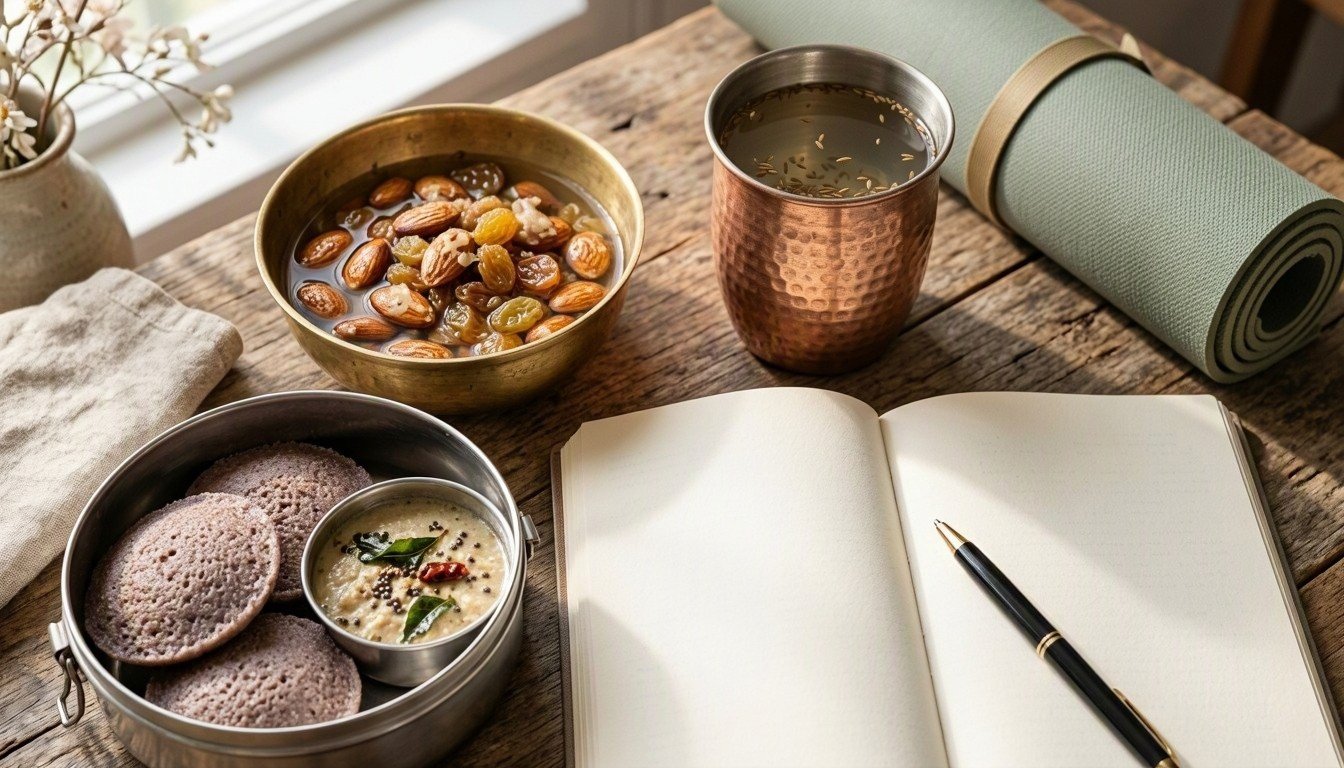
Instead of copying a 16:8 template, consider windows that respect your household rhythm. A 12:12 pattern — finishing dinner by 8 pm and breaking fast at 8 am with a glass of water and soaked almonds — mirrors the natural fasting period our grandparents followed. For many, a 14:10 window (dinner at 8 pm, first meal at 10 am) is more sustainable and still offers metabolic benefits.
Practical tips to ease into it:
- Start with a 12-hour overnight fast for two weeks before extending by 30 minutes weekly.
- Keep dinner light and early — think moong dal khichdi with a teaspoon of ghee, or a bowl of sambar with millet dosa.
- Break your fast with protein and fibre: a besan chilla with mint chutney, or Greek-style hung curd with chopped fruit and seeds.
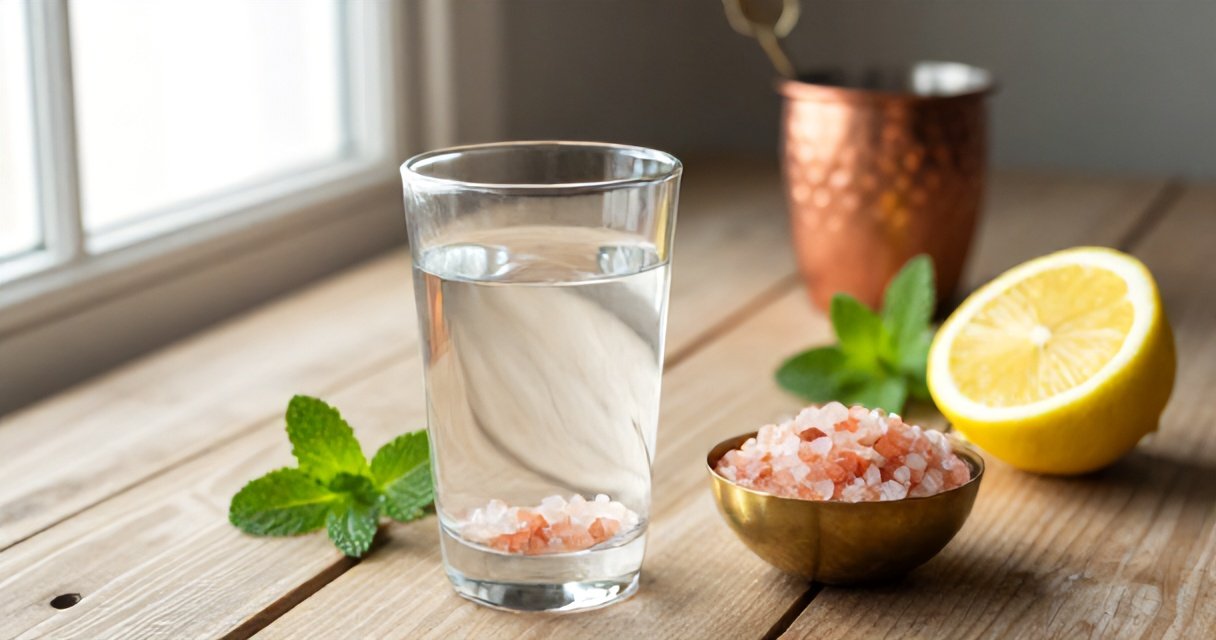
- Sip on jeera water, herbal tea, or plain lemon water during the fast; avoid sweetened chai or coffee on an empty stomach.
- Align the eating window with your most active hours — if you exercise at 6 am, a 10 am breakfast may leave you under-fuelled.
What to Eat During Your Eating Window
The quality of calories matters more than the clock. The ICMR-NIN guidelines recommend a diverse plate: half vegetables and fruit, a quarter protein, a quarter whole grains. For Indian women, this means rotating seasonal produce — bathua in winter, karela in summer, pumpkin in monsoon — and including at least two servings of pulses or dairy daily for calcium and iron.
A sample day on a 14:10 schedule could look like: 10 am — two ragi idlis with sambar and coconut chutney; 1 pm — rajma-chawal with a side of stir-fried beans and a small bowl of curd; 4 pm — a fistful of roasted chana and an amla; 7:30 pm — grilled fish or paneer tikka with sautéed greens and a small bajra roti. This delivers protein, fibre, and micronutrients without relying on supplements.
Red Flags: When to Stop or Avoid Fasting
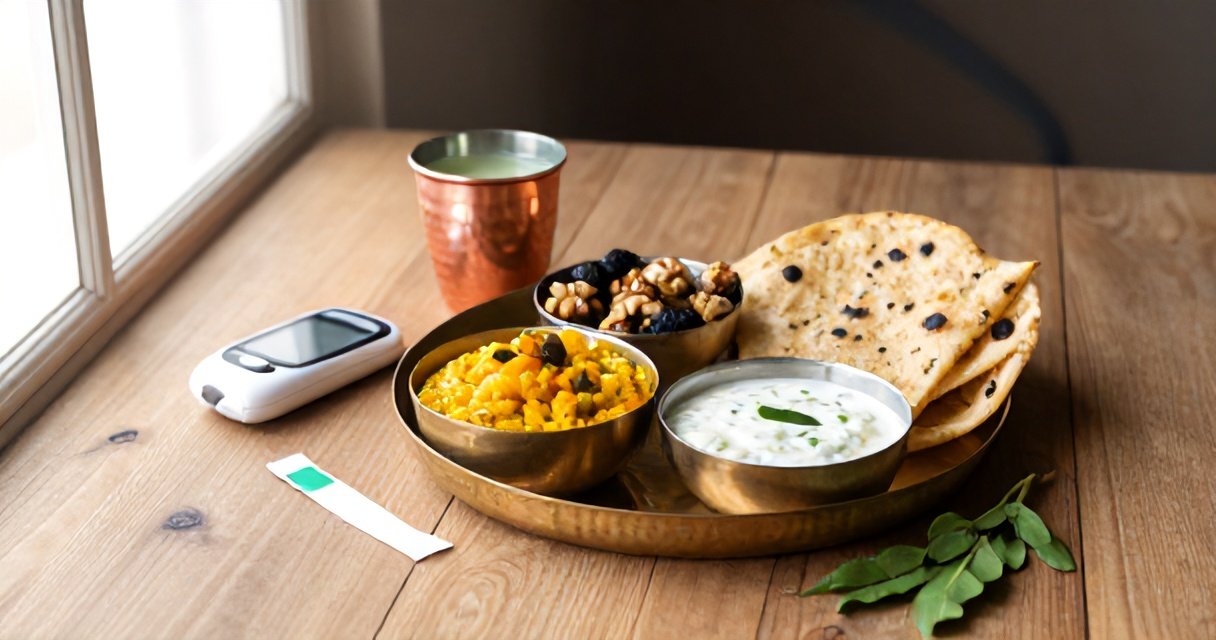
Listen to your body. Persistent fatigue, hair loss, irregular periods, sleep disturbances, irritability, or obsessive thoughts about food are signals that the fasting stress outweighs benefits. Women who are pregnant, breastfeeding, trying to conceive, or have a history of eating disorders should avoid intermittent fasting entirely. Those on medication for diabetes, hypertension, or thyroid must coordinate meal timing with their doctor to prevent hypoglycaemia or drug absorption issues.
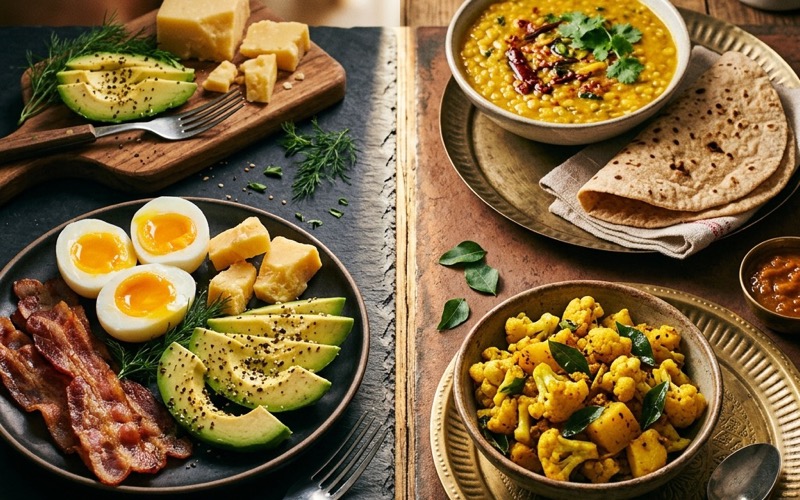
Our article on Keto vs. Indian Diet: Why the Keto Craze Is Failing Most Indians explains why extreme dietary restrictions often backfire in our context, and the same principle applies to aggressive fasting protocols.
Blending Tradition with Evidence: A Sustainable Approach
Ayurveda recommends ritucharya (seasonal routine) and dinacharya (daily routine) that naturally create fasting windows — early light dinners, no snacking after sunset, and a gap before breakfast. Modern science calls this circadian alignment. You can honour both by eating your last meal before 8 pm, sleeping by 10 pm, and breaking fast after sunrise with warm water and a pinch of rock salt.
For deeper roots, explore Haldi Doodh to Triphala: 8 Powerful Ayurvedic Remedies Your Dadi Was Right About — many of those nuskhe support digestion and metabolism without the stress of rigid clocks. The goal is metabolic flexibility, not deprivation.
Frequently Asked Questions
Can I do intermittent fasting during my periods?
It is generally better to relax the fasting window during menstruation. Your body needs extra iron, magnesium, and calories; a 12:12 pattern or intuitive eating with nourishing foods like khichdi, dates, and jaggery supports hormonal balance better than strict restriction.
Will intermittent fasting help my PCOS weight gain?
Gentle time-restricted eating (14:10) combined with protein-rich meals and resistance training may improve insulin sensitivity in PCOS. However, aggressive fasting can raise cortisol and worsen symptoms. Work with a dietitian who understands both PCOS and Indian dietary patterns.
What can I drink while fasting without breaking it?
Plain water, jeera water, unsweetened herbal teas, black coffee (one cup), and lemon water with a pinch of salt are acceptable. Avoid milk, sugar, honey, or bulletproof coffee — they trigger an insulin response and technically break the fast.
How do I handle festivals and family gatherings while fasting?
Flexibility is key. Treat festivals as feasting days — enjoy the food mindfully — and return to your usual window the next day. One day of feasting does not undo weeks of consistency. Rigid rules during Diwali or Eid often lead to guilt and binge-restrict cycles.
Is 16:8 better than 14:10 for weight loss?
Not necessarily. Studies show similar metabolic benefits when calories and food quality are matched. A 14:10 window is easier to sustain long-term in an Indian household and carries lower risk of hormonal disruption for women. Consistency beats intensity.
Your Journey, Your Rules
Intermittent fasting is a tool, not a magic wand. For Indian women, the safest approach is a gentle, flexible window that respects your biology, your kitchen, and your culture. Start small, prioritise nutrient-dense desi foods, and track how you feel — not just the scale. If you have tried time-restricted eating, what window worked for your routine, and what desi breakfast broke your fast best? Share your experience in the comments below.
💚 Want more simple, science-backed tips for eating well the Indian way? Download the Healthilicious Plate app for daily health guides, nutrition tips and healthy desi recipes right on your phone.
Disclaimer: This article is for general information only and is not medical advice. Please consult a qualified doctor or registered dietitian before making changes to your diet, especially if you have a health condition, are pregnant or take medication.