Rising rates of excess weight among children have become a pressing concern for families across India. The WHO childhood obesity guidelines 2026 provide updated, evidence-based recommendations that address the unique dietary patterns and lifestyle shifts seen in Indian households today.
These guidelines move beyond simple weight charts and focus on creating supportive environments at home, in schools, and in communities. For Indian parents juggling busy schedules, tuition classes, and the lure of packaged snacks, the advice is refreshingly practical and rooted in foods we already know.
Key Takeaways
- WHO now emphasises early intervention from infancy through adolescence with age-specific nutrition and movement goals.
- Home-cooked meals using seasonal produce like millets, dals, and local vegetables remain the gold standard.
- Screen time should be limited to under two hours daily for school-age children, replaced by active play.
- Schools and communities share responsibility for safe play spaces and healthy canteen options.
- Regular growth monitoring using WHO charts helps catch upward trends before they become harder to reverse.
Why the 2026 Update Matters for Indian Families
The latest guidelines reflect new data showing that urban Indian children are consuming more ultra-processed foods and sugary beverages than a decade ago. Research cited by WHO indicates that early exposure to high-sugar, high-fat diets sets metabolic patterns that track into adulthood, increasing the risk of insulin resistance and fatty liver.
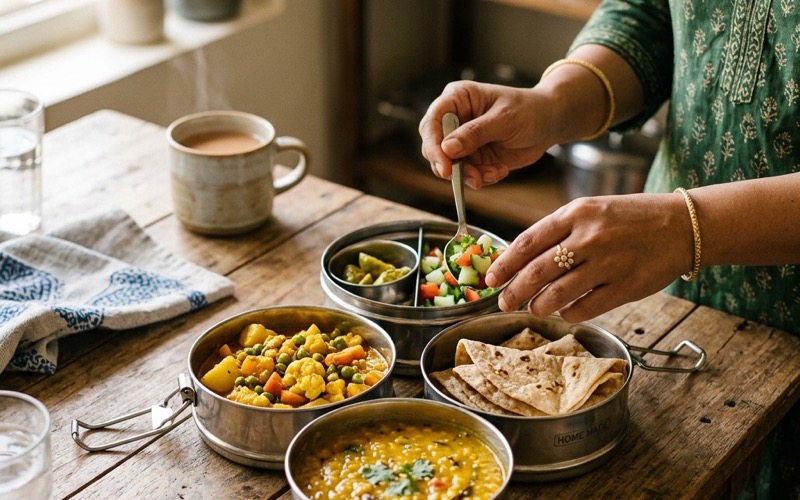
Importantly, the 2026 update recognises cultural contexts. It encourages adapting traditional eating patterns — such as a balanced thali with dal, sabzi, curd, and whole grain roti or rice — rather than imposing foreign diet plans. This aligns with the ICMR-NIN Dietary Guidelines for Indians, which also stress dietary diversity and minimal processing.
Age-Specific Nutrition Recommendations You Can Follow
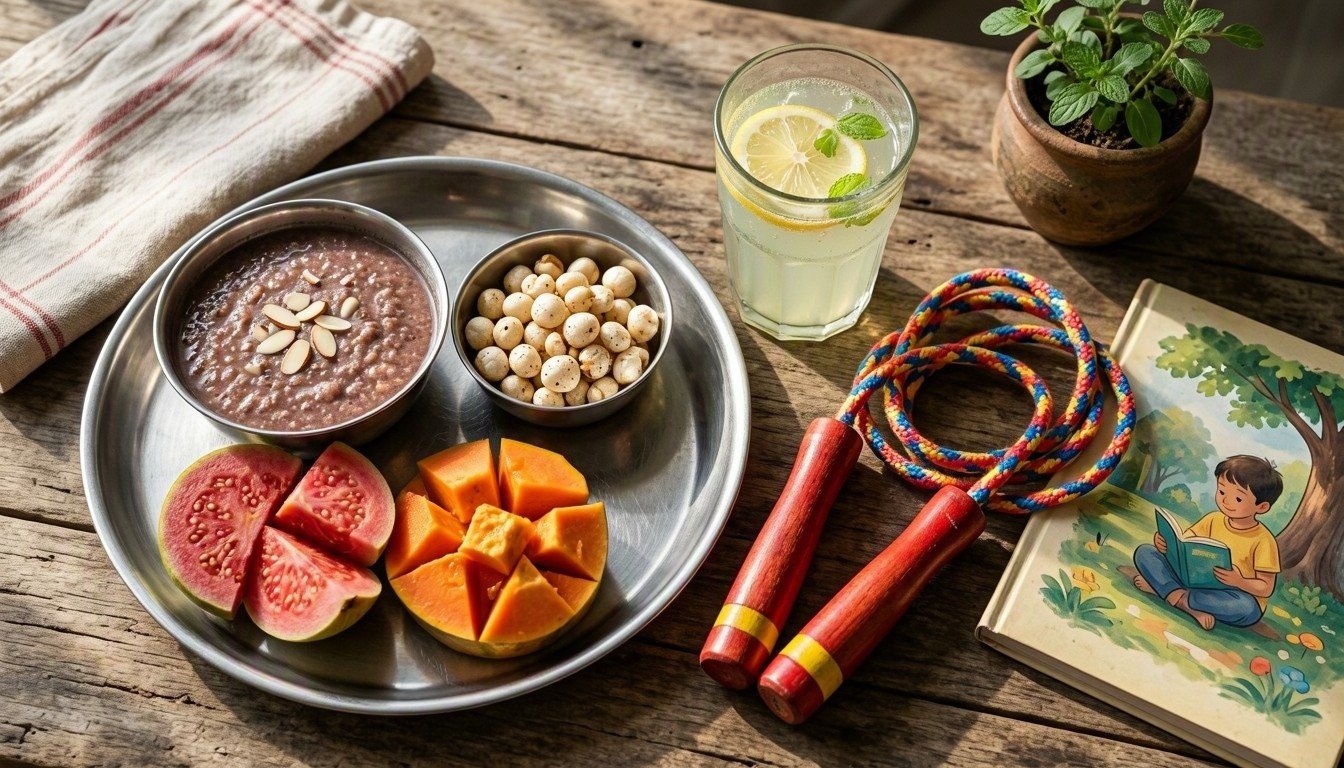
For infants, exclusive breastfeeding for the first six months remains the cornerstone. After six months, complementary foods should be nutrient-dense: think mashed banana, steamed apple, ragi porridge, or khichdi with a spoon of ghee. Avoid adding salt, sugar, or honey.
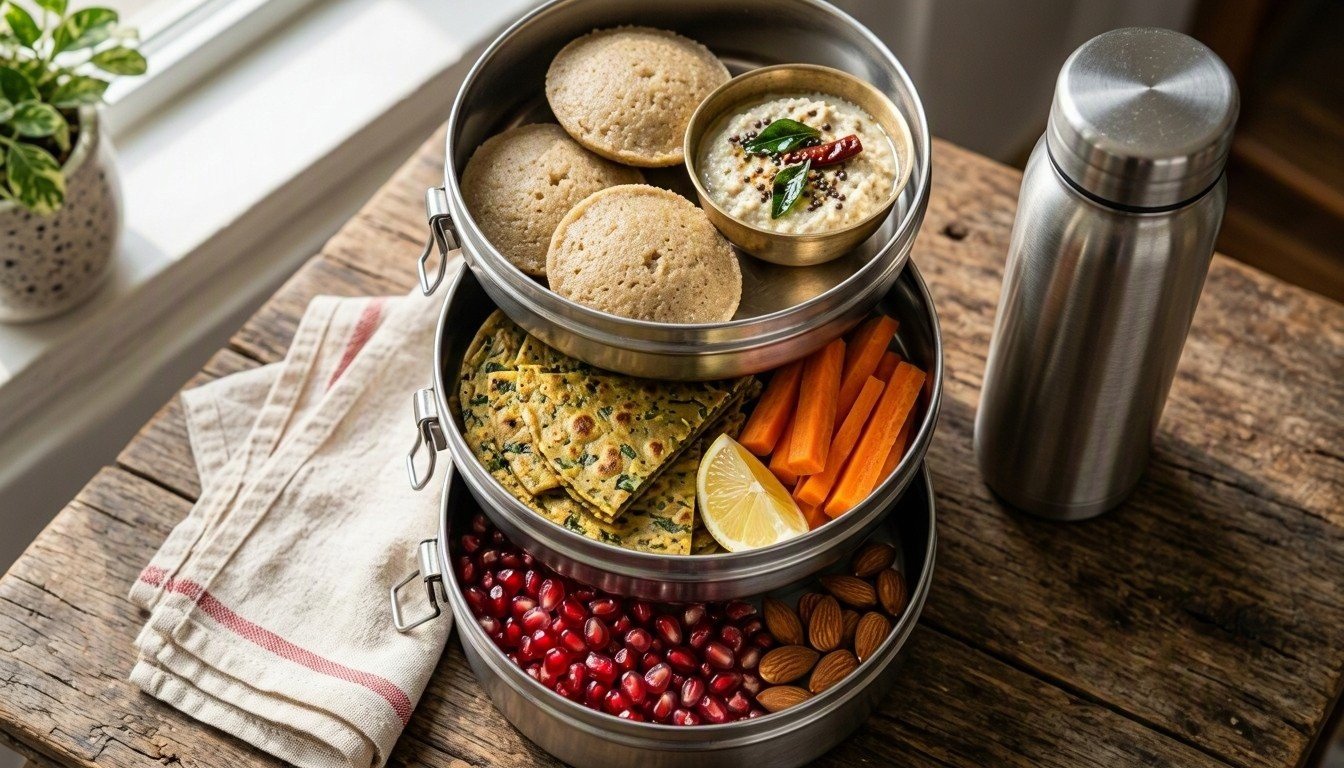
For toddlers and pre-schoolers, offer small frequent meals. A sample day could include idli with sambar, a mid-morning fruit like papaya or guava, lunch of soft roti with dal and lauki sabzi, evening chana chaat with cucumber, and dinner of vegetable dalia. The healthy tiffin ideas for school-going kids we shared earlier fit perfectly into this framework.
Practical Swaps to Reduce Ultra-Processed Food Intake
Packaged chips, instant noodles, and sweetened drinks are major contributors to excess calories. The guidelines recommend swapping these with minimally processed alternatives that are easy to prepare:
- Roasted makhana or chana instead of fried chips
- Homemade fruit lassi or nimbu pani instead of tetra-pack juices
- Whole fruit instead of fruit-flavoured candies
- Peanut chikki or til ladoo (small portion) instead of chocolate bars
- Vegetable stuffed paratha with curd instead of instant noodles
Reading labels helps. Our guide on how to read food labels shows you how to spot hidden sugars, refined oils, and excessive sodium in seconds.
Building Daily Movement Into Busy Routines
WHO recommends at least 60 minutes of moderate-to-vigorous physical activity daily for children aged 5-17. This does not require a gym membership. In an Indian context, it can look like:
- Walking or cycling to school where safe
- Playing kho-kho, kabaddi, or badminton in the colony park
- Dancing to Bollywood or folk music for 20 minutes
- Helping with household chores like sweeping, mopping, or carrying groceries
- Family post-dinner walks of 15-20 minutes
For younger children, unstructured active play — climbing, running, jumping — counts fully. The key is consistency and making movement a normal part of the day, not a punishment.
Managing Screen Time Without Daily Battles
The guidelines suggest no screen time for children under two, and under one hour for ages 2-4. For school-age children, recreational screen time should stay below two hours. This includes TV, phones, tablets, and gaming consoles.
Practical strategies that work in Indian homes: create a "screen-free" zone at the dining table and in bedrooms; use a family media plan with agreed timings; offer engaging alternatives like board games, storytelling, or DIY science kits; and model the behaviour yourself — children copy what they see.
The Role of Schools and Communities
WHO stresses that the responsibility cannot rest on parents alone. Schools should provide daily physical education, limit junk food in canteens, and ensure safe drinking water. Housing societies can advocate for maintained parks, walking tracks, and traffic-calmed zones where children can play safely.
Parent-teacher associations can push for healthier mid-day meal options — more millets, pulses, and seasonal vegetables — and for nutrition education to be part of the curriculum. The new ICMR dietary guidelines 2024 offer a ready framework schools can adopt.
Tracking Growth the Right Way
Regular growth monitoring using WHO growth standards — not just weight, but height-for-age, BMI-for-age, and waist circumference — helps identify concerning trends early. Pediatricians can plot these at every visit.
If a child's BMI percentile is rising rapidly, the guidelines recommend a family-based lifestyle approach rather than restrictive dieting. Focus on adding nourishing foods, increasing active play, improving sleep hygiene, and reducing stress. Consult a pediatrician or a registered dietitian for personalised guidance.
Frequently Asked Questions
WHO childhood obesity guidelines 2026 kya naye hain?
The 2026 update adds stronger limits on ultra-processed foods, clearer screen-time caps by age, and emphasises family-based lifestyle changes over child-only diets. It also aligns better with cultural eating patterns like the Indian thali.
Bachon ko motape se kaise bachayen Indian diet se?
Base meals on whole grains (roti, brown rice, millets), dals, seasonal vegetables, curd, and fruit. Limit packaged snacks, sugary drinks, and deep-fried items. Keep portions age-appropriate and encourage mindful eating without screens.
School-going bachon ke liye daily kitna exercise chahiye?
WHO recommends at least 60 minutes of moderate-to-vigorous activity daily for ages 5-17. This can be split across the day — walk to school, play in the park, dance at home, or help with active chores.
Screen time kam karne ke gharelu nuskhe kya hain?
Set device-free zones (dining table, bedrooms), use a family timer app, offer fun alternatives like ludo, carrom, or reading aloud, and parents should model limited screen use themselves.
Bacche ka weight check kab karwana chahiye?
At every pediatric visit, ask the doctor to plot height, weight, and BMI-for-age on WHO growth charts. Rapid upward crossing of percentiles warrants a lifestyle review, not panic.
Small Steps Today, Healthier Tomorrow
The WHO childhood obesity guidelines 2026 are not about perfection — they are about direction. Every home-cooked meal, every evening walk, every screen-free dinner adds up. Indian families have a powerful advantage: a culinary tradition that is naturally balanced, diverse, and seasonal.
What is one small change your family has made recently that your kids actually enjoyed? Share your experience in the comments — your story could inspire another parent.
💚 Want more simple, science-backed tips for eating well the Indian way? Download the Healthilicious Plate app for daily health guides, nutrition tips and healthy desi recipes right on your phone.
Disclaimer: This article is for general information only and is not medical advice. Please consult a qualified doctor or registered dietitian before making changes to your diet, especially if you have a health condition, are pregnant or take medication.