When couples plan a baby, the spotlight usually falls on the mother’s nutrition. Yet compelling new evidence confirms that a father's diet before pregnancy affects baby birth weight and long-term metabolic health. Studies published in journals like Nature Communications and The Lancet reveal that paternal dietary patterns in the months before conception can alter sperm epigenetics, influencing how the placenta grows and how the baby’s genes express themselves.
For Indian families, this insight is empowering. It means prospective fathers can take simple, affordable steps rooted in our traditional kitchen — think seasonal millets, dals, nuts, and colourful vegetables — to give their future child a stronger start. The ICMR-NIN Dietary Guidelines for Indians 2024 emphasise that optimal nutrition for both partners before conception supports healthier pregnancy outcomes.
Key Takeaways
- A father’s preconception diet shapes sperm epigenetics and can influence baby’s birth weight.
- Nutrients like folate, zinc, omega-3 fatty acids, and antioxidants are critical for sperm quality.
- Indian staples such as ragi, moong dal, almonds, flaxseeds, and leafy greens deliver these nutrients affordably.
- Cutting back on ultra-processed foods, alcohol, and smoking improves sperm DNA integrity.
- Ideally, dietary changes should begin at least three months before trying to conceive.
How Paternal Nutrition Influences Baby’s Birth Weight
Sperm carries more than just DNA; it delivers epigenetic marks — chemical tags that switch genes on or off. Animal and human studies show that a father’s low-protein or high-fat diet can reprogramme these marks, leading to altered placental development and lower or higher birth weights. The World Health Organization notes that both low birth weight (under 2.5 kg) and macrosomia (over 4 kg) raise the child’s lifelong risk of insulin resistance, obesity, and cardiovascular disease.
In the Indian context, where undernutrition and overnutrition coexist, a father’s dietary quality matters deeply. A 2023 cohort study from South India found that paternal intake of micronutrient-rich foods correlated with healthier birth weights, independent of maternal nutrition. This underscores that preconception care is a shared responsibility.
Essential Nutrients for Sperm Health and Fetal Growth
Certain nutrients directly protect sperm DNA and support early embryonic development. Folate (vitamin B9) prevents DNA strand breaks; zinc maintains sperm membrane stability; omega-3 fatty acids improve sperm motility and reduce oxidative stress; antioxidants like vitamin C, vitamin E, and selenium shield sperm from free radical damage. The ICMR-NIN guidelines list recommended dietary allowances for these nutrients for adult Indian men.
Top Indian Food Sources
- Folate: Amaranth leaves (chaulai), spinach (palak), bengal gram (chana), black-eyed peas (lobia).
- Zinc: Pumpkin seeds (kaddu ke beej), sesame seeds (til), cashews (kaju), whole wheat (gehun).
- Omega-3: Flaxseeds (alsi), walnuts (akhrot), mustard oil (sarson ka tel), fatty fish like rohu or mackerel (bangda).
- Antioxidants: Guava (amrood), amla, citrus fruits (santra, mosambi), bell peppers (shimla mirch), turmeric (haldi) with black pepper.
Traditional Indian Dietary Patterns That Support Preconception Health
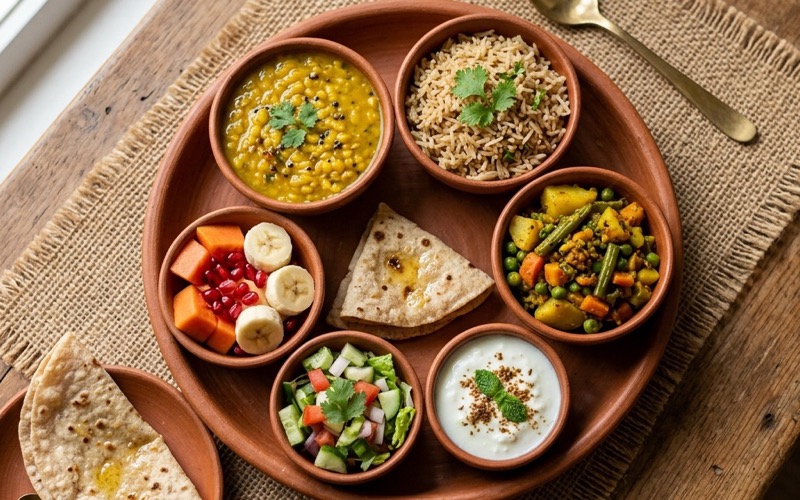
Our regional thalis already offer a blueprint for preconception nutrition. A typical South Indian breakfast of idli-sambar with coconut chutney provides fermented lentils, vegetables, and healthy fats. A North Indian lunch of bajra roti, moong dal tadka, and a side of seasonal greens delivers fibre, plant protein, and micronutrients. The ICMR-NIN Dietary Guidelines for Indians 2024 recommend diversifying cereals beyond wheat and rice — exactly what millet-based meals achieve.
Seasonal eating amplifies benefits. Winter brings fresh methi, bathua, and sarson ka saag rich in folate and iron. Summer offers water-dense vegetables like lauki and tinda that support hydration and antioxidant intake. Including a small handful of soaked almonds (badam) and walnuts daily is a simple habit many Indian grandparents already advocate.
Foods and Habits Prospective Fathers Should Limit
Ultra-processed snacks, deep-fried pakoras, sugary beverages, and excess red meat increase oxidative stress and inflammation, damaging sperm DNA. Alcohol, even in moderate amounts, reduces testosterone and sperm count. Smoking and smokeless tobacco (gutkha, khaini) are strongly linked to DNA fragmentation in sperm. The WHO advises complete avoidance of tobacco and limiting alcohol when planning a pregnancy.
Late-night eating and erratic meal timings disrupt circadian rhythms, which emerging research links to poorer sperm parameters. Adopting regular meal windows — a practice aligned with Ayurvedic dinacharya — may support hormonal balance. Our guide to 10 morning habits that transform your health includes practical tips for syncing meals with natural rhythms.
Sample One-Day Preconception Meal Plan for Indian Men
Here is a practical, budget-friendly day of eating designed around Indian staples. Adjust portions based on activity level and body composition; a registered dietitian can personalise further.
Meal Plan
- Early morning: Warm water with lemon + 5 soaked almonds + 2 walnut halves.
- Breakfast: Ragi dosa with sambar and tomato-onion chutney + a small bowl of curd (dahi).
- Mid-morning: One seasonal fruit (guava/orange/papaya) + 1 tsp roasted flaxseed powder.
- Lunch: Bajra or jowar roti (2) + moong dal with lauki + stir-fried bathua or palak + salad (cucumber, carrot, tomato) with lemon squeeze.
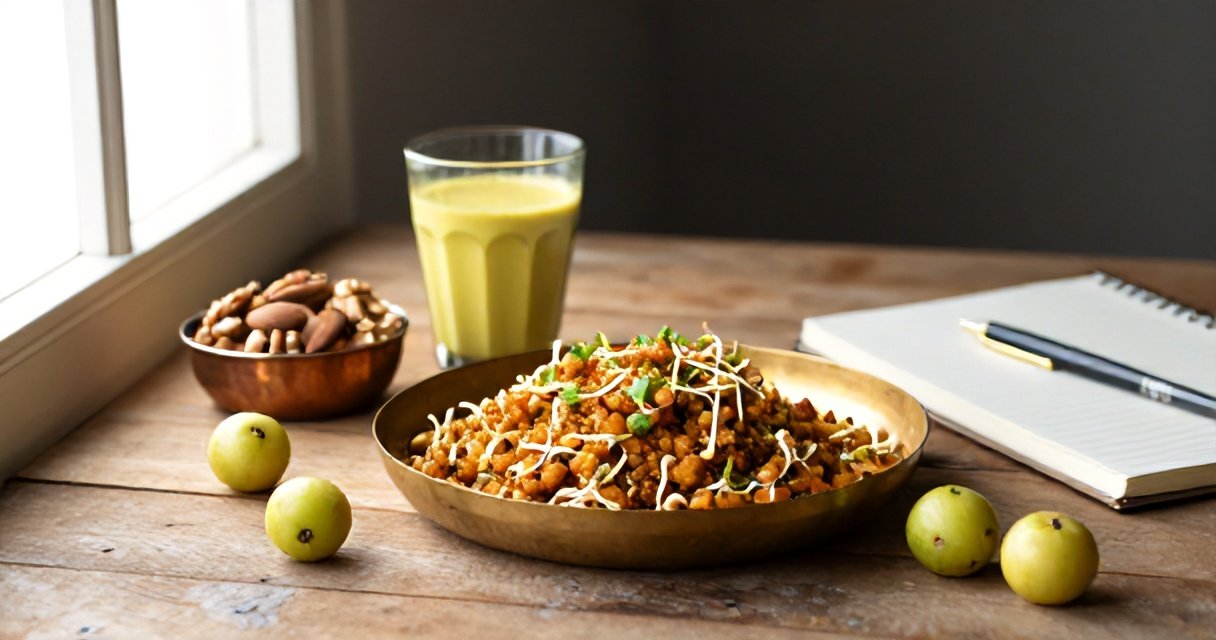
- Evening snack: Sprouted chana chaat with onion, tomato, coriander, lemon + green tea or buttermilk (chaas).
- Dinner: Brown rice or millet khichdi (1.5 cups) with mixed vegetables + raita + a tsp ghee.
- Before bed (optional): Haldi doodh (turmeric milk) with a pinch of black pepper.
The Three-Month Window: Why Timing Matters
Spermatogenesis — the cycle of sperm production — takes approximately 72 to 90 days. Nutritional improvements today influence the sperm that will be ejaculated three months from now. Therefore, couples planning pregnancy should ideally adopt these dietary changes at least one full trimester before trying to conceive. Consistency matters more than perfection; small daily upgrades compound over time.
Tracking progress can be motivating. Simple markers like improved energy, better digestion, and stable weight suggest the body is responding well. For couples facing fertility challenges, a semen analysis after three months of dietary intervention can offer objective feedback. Always discuss results with a qualified andrologist or fertility specialist.
Beyond Diet: Lifestyle Factors That Amplify Results
Nutrition works best alongside adequate sleep (7–8 hours), regular moderate exercise (30 minutes brisk walking, yoga, or cycling most days), and stress management. Chronic stress elevates cortisol, which suppresses testosterone and impairs sperm production. Practices like pranayama, meditation, or even a daily 10-minute walk in nature can lower stress hormones.
Environmental exposures also matter. Minimising plastic food containers (especially for hot foods), avoiding pesticide-laden produce by washing thoroughly or choosing organic when feasible, and reducing exposure to industrial pollutants support overall reproductive health. Reading labels helps; our article on how to read food labels explains what to watch for.
When to Consult a Specialist
If conception hasn’t occurred after 12 months of regular unprotected intercourse (or 6 months if the female partner is over 35), both partners should seek evaluation. A urologist or fertility specialist can assess sperm count, motility, morphology, and DNA fragmentation. Nutritional counselling from a registered dietitian familiar with Indian diets ensures the plan is culturally appropriate and sustainable.
Underlying conditions like varicocele, hormonal imbalances, or infections may require medical or surgical treatment alongside dietary changes. Never self-prescribe high-dose supplements; excess zinc or selenium can be harmful. The ICMR-NIN guidelines caution against routine supplementation without diagnosed deficiency.
Frequently Asked Questions
Does father's diet really affect baby weight?
Yes, research shows paternal diet influences sperm epigenetics, which can affect placental function and fetal growth, leading to variations in birth weight.
What Indian foods improve sperm quality quickly?
Foods rich in folate (palak, chana), zinc (pumpkin seeds, cashews), omega-3 (flaxseeds, walnuts), and antioxidants (amla, guava) support sperm health within the 3-month spermatogenesis cycle.
Can dad's junk food habit cause low birth weight?
High intake of ultra-processed foods, trans fats, and sugar increases oxidative stress and DNA damage in sperm, which studies link to adverse birth outcomes including low birth weight.
How long before pregnancy should dad change his diet?
Ideally at least 3 months before trying to conceive, as sperm take 72–90 days to mature. Consistent healthy eating during this window yields the best epigenetic benefits.
Are supplements necessary for preconception?
Not routinely. A diverse Indian diet usually covers needs. Supplements should only be taken after blood tests confirm deficiency and under medical supervision to avoid toxicity.
Building a Healthier Legacy Starts Today
The food a father eats today becomes the biological blueprint for his child’s tomorrow. By embracing colourful, seasonal, minimally processed Indian meals, prospective dads can actively shape their baby’s birth weight and lifelong health trajectory. It’s not about perfection — it’s about consistent, mindful choices rooted in our culinary wisdom.
What one dietary change will you or your partner make this week to prepare for a healthy pregnancy? Share your thoughts in the comments below.
💚 Want more simple, science-backed tips for eating well the Indian way? Download the Healthilicious Plate app for daily health guides, nutrition tips and healthy desi recipes right on your phone.
Disclaimer: This article is for general information only and is not medical advice. Please consult a qualified doctor or registered dietitian before making changes to your diet, especially if you have a health condition, are pregnant or take medication.