If you often find yourself reaching for a packet of namkeen or a leftover paratha after 10 pm, a new study has a serious warning. Research published in a leading gastroenterology journal indicates that Late night eating liver disease risk 30 percent higher compared to those who finish their last meal earlier in the evening. For a country where late dinners and midnight chai are cultural norms, this finding deserves urgent attention.
The study tracked thousands of adults over several years and found a consistent link between consuming a large proportion of daily calories after sunset and the development of non-alcoholic fatty liver disease (NAFLD). This risk remained significant even after adjusting for total calorie intake, body weight, and diet quality. It suggests that when we eat may be just as critical as what we eat for liver health.
Key Takeaways
- Eating late at night is linked to a 30% higher risk of fatty liver disease, independent of total calories.
- Our liver follows a circadian rhythm; late meals disrupt its natural repair and fat-burning cycles.
- Insulin sensitivity drops in the evening, making late carbs more likely to be stored as liver fat.
- Simple shifts like finishing dinner by 8 pm and a 12-hour overnight fast can support liver function.
- Traditional Indian herbs like haldi and amla, plus early light dinners, are practical, evidence-backed steps.
Why Meal Timing Matters for Your Liver
The liver is not just a filter; it is a metabolic clock. According to research cited by the ICMR-NIN Dietary Guidelines for Indians, the liver’s enzymes for fat oxidation and detoxification peak during daytime and slow down at night. When we eat heavy meals late, we force the liver to process fats and sugars when its capacity is lowest. This mismatch leads to fat accumulation, inflammation, and eventually fibrosis.
Shift workers and people with irregular schedules face the highest risk. A 2023 review in the journal Cell Metabolism explained that misaligned eating patterns disrupt the expression of clock genes like BMAL1 and CLOCK, which regulate lipid metabolism. For Indians working night shifts in IT hubs or healthcare, this biological disruption is a daily reality.
How Late Dinners Spike Insulin and Liver Fat
Insulin sensitivity follows a diurnal rhythm—it is highest in the morning and lowest at night. The ICMR-NIN Dietary Guidelines for Indians note that consuming carbohydrate-rich meals like white rice, roti, or sweets late at night triggers a sharper insulin spike than the same meal eaten at lunch. High insulin promotes de novo lipogenesis, the process of converting excess sugar into fat inside liver cells.
Over time, this creates a vicious cycle: liver fat worsens insulin resistance, which further raises insulin levels, driving more fat storage. Breaking this cycle starts with respecting the body’s natural insulin rhythm. Shifting the heaviest meal to midday and keeping dinner light is a core principle of both modern chrononutrition and traditional Ayurvedic dinacharya.
Common Indian Late-Night Habits That Harm the Liver
- Post-dinner chai with biscuits or rusk: Adds refined flour, sugar, and saturated fat right before sleep.
- Reheated oily leftovers: Curries rich in ghee or reused oil deliver oxidised fats that stress liver cells.
- Festival bingeing: During Diwali or wedding season, heavy sweets and fried snacks often extend past midnight.
- Midnight maggi or instant noodles: Ultra-processed, high in sodium and refined carbs, a double hit for the liver.
- Alcohol with late dinner: Even moderate alcohol combined with late eating amplifies liver fat accumulation.
Practical Steps to Shift Your Eating Window
Start by moving dinner earlier by just 30 minutes every week until you hit a 7–8 pm target. Aim for a 12-hour gap between dinner and breakfast—for example, finish dinner by 7:30 pm and break fast at 7:30 am. This time-restricted eating pattern aligns with circadian biology and has been shown in multiple trials to reduce liver enzymes and hepatic steatosis.
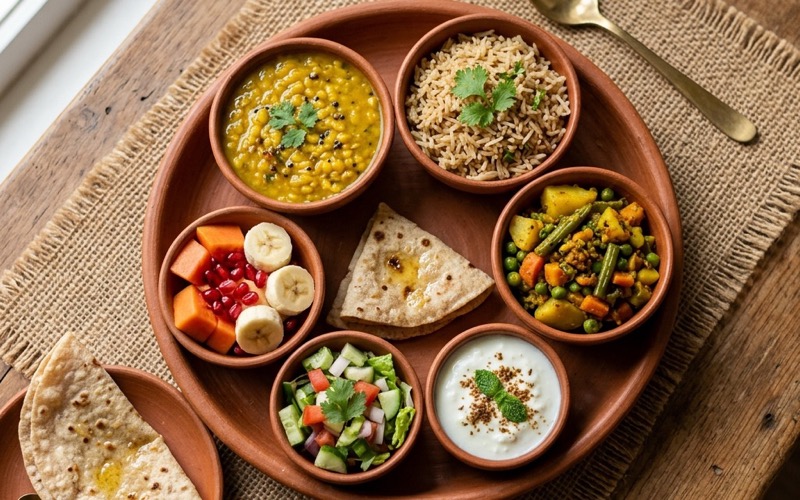
Make dinner the lightest meal: one small bowl of dal, a seasonal sabzi like lauki or bhindi, one multigrain roti, and a side of dahi. Avoid second helpings. If hunger strikes later, sip warm water with a pinch of haldi and black pepper, or chew a few soaked almonds. Our guide to ginger daily benefits for digestion and blood sugar explains how a simple ginger-tea ritual can curb late cravings and support metabolic health.
Liver-Friendly Indian Foods for Evening Meals
Focus on foods that enhance glutathione, the liver’s master antioxidant. Seasonal produce like amla (Indian gooseberry), palak (spinach), and methi (fenugreek leaves) are rich in precursors. A small bowl of amla chutney or a methi thepla made with minimal oil can be a smart dinner addition. Cruciferous vegetables like cauliflower and cabbage support phase-2 detoxification enzymes.
Whole grains such as millets (bajra, jowar, ragi) release glucose slowly, preventing the insulin surge that drives liver fat. The high fiber Indian diet plan we shared earlier details how swapping white rice for millet khichdi at dinner improves overnight glucose control. Add a teaspoon of cold-pressed mustard oil or ghee for fat-soluble vitamin absorption without overloading the liver.
Sleep, Stress, and the Liver Connection
Poor sleep and chronic stress raise cortisol, which mobilises fatty acids to the liver. The WHO recognises sleep deficiency as a metabolic risk factor. Indians averaging under six hours of sleep—common in metros—compound the damage from late eating. A 2022 study in Nature Reviews Gastroenterology & Hepatology highlighted that sleep restriction alone increases hepatic fat by altering gut microbiota and bile acid metabolism.
Create a wind-down routine: dim lights by 9 pm, avoid screens, and practice five minutes of deep breathing or yoga nidra. This lowers cortisol and prepares the liver for its nocturnal repair phase. If noise pollution disrupts your sleep, our article on noise pollution health risks in Indian homes offers practical soundproofing tips for better rest.
When to See a Doctor
Fatty liver is often silent until advanced stages. If you have central obesity (waist >90 cm for men, >80 cm for women), type 2 diabetes, high triglycerides, or a family history of liver disease, ask your doctor for a liver function test (ALT, AST, GGT) and an ultrasound or FibroScan. Early detection allows reversal through lifestyle alone. The ICMR-NIN Dietary Guidelines for Indians recommend annual screening for high-risk adults over 30.
Do not self-medicate with supplements like milk thistle or high-dose vitamin E without medical supervision. While some studies show benefit, dosing and purity vary. A registered dietitian can personalise your meal timing, macros, and micronutrient needs based on your blood work and lifestyle.
Frequently Asked Questions
Does eating fruit at night cause fatty liver?
Whole fruit in moderation (one small apple or a few slices of papaya) is unlikely to harm the liver. The risk comes from large portions of high-sugar fruits like mango or grapes, or fruit juices, which flood the liver with fructose late at night when fat-burning is low.
Can I do intermittent fasting if I have fatty liver?
Time-restricted eating with a 12–14 hour overnight fast is generally safe and may help reduce liver fat. However, longer fasts (16+ hours) should be done under medical guidance, especially if you are on diabetes medication, to avoid hypoglycaemia.
Is ghee bad for fatty liver if eaten at dinner?
Small amounts (1 tsp) of A2 ghee with a high-fibre dinner are acceptable and may improve satiety. The problem arises when ghee is used liberally in late-night heavy curries or parathas, adding excess saturated fat when the liver’s processing capacity is reduced.
What are gharelu nuskhe for liver detox at night?
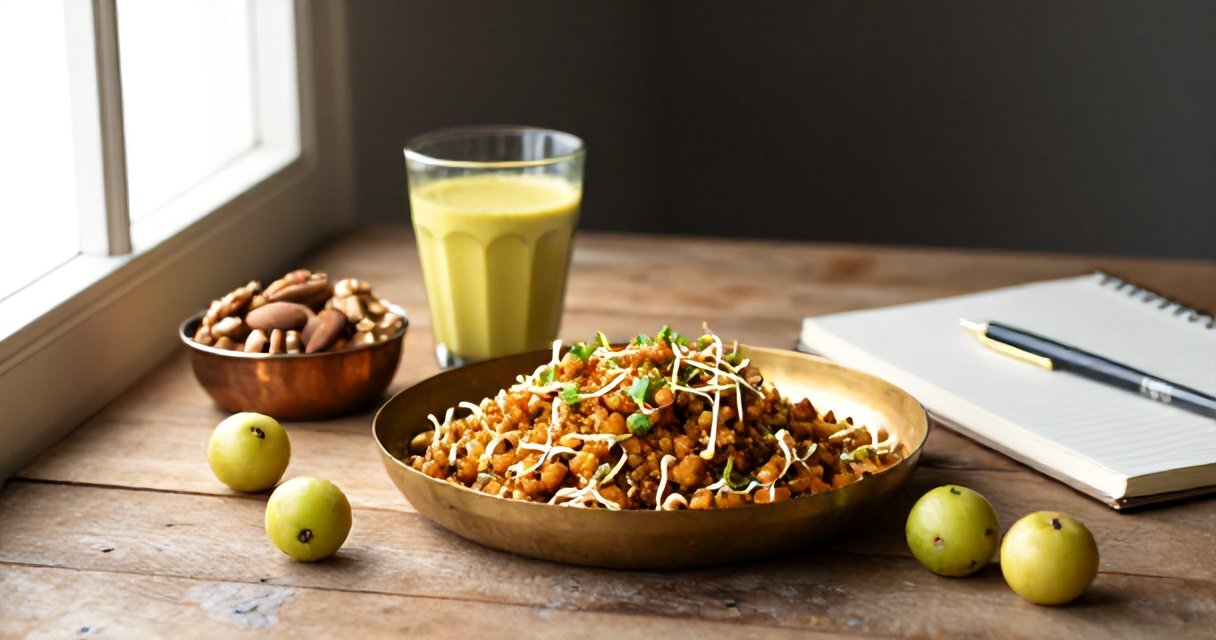
Warm water with half a teaspoon of haldi and a pinch of black pepper, or 10 ml amla juice diluted in water, are traditional bedtime drinks that support antioxidant enzymes. They are not cures but gentle adjuncts to an early, light dinner and good sleep.
How soon can liver enzymes improve after changing dinner time?
Studies show ALT and AST can drop within 8–12 weeks of consistent early dinners, 12-hour fasting, and weight loss of 3–5% body weight. Individual response varies; regular monitoring with your doctor is essential.
Your Liver Health Starts With Tonight’s Dinner
The evidence is clear: when you eat matters deeply for your liver. By simply moving dinner earlier, keeping it light, and honouring a 12-hour overnight fast, you align with your body’s innate rhythms and give your liver the downtime it needs to repair. Small, consistent shifts—like swapping midnight maggi for a cup of haldi doodh—compound into powerful protection over months and years.
What is one late-night eating habit you are ready to change this week? Share your plan or struggle in the comments below—your story might inspire someone else on the same journey.
💚 Want more simple, science-backed tips for eating well the Indian way? Download the Healthilicious Plate app for daily health guides, nutrition tips and healthy desi recipes right on your phone.
Disclaimer: This article is for general information only and is not medical advice. Please consult a qualified doctor or registered dietitian before making changes to your diet, especially if you have a health condition, are pregnant or take medication.