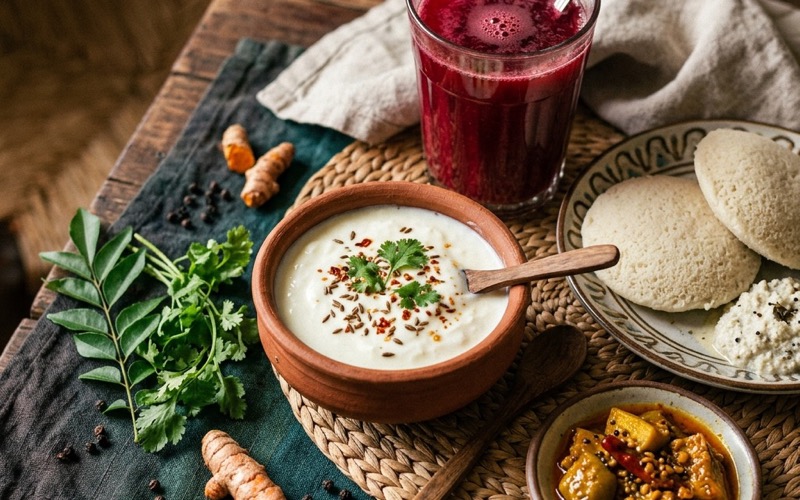
Many Indian families notice that aging parents or grandparents experience low moods, forgetfulness, or a general lack of enthusiasm. While these changes are often dismissed as "just old age," emerging research suggests nutrition plays a powerful role. Specifically, blueberries mood depression older adults is a growing area of study because these tiny berries pack a dense nutrient profile that targets brain health pathways.
In the Indian context, where fresh blueberries can be expensive or seasonal, knowing how to use them effectively — and what local alternatives offer similar benefits — empowers caregivers to make smarter grocery choices. This guide breaks down the science, offers practical serving ideas using familiar kitchen staples, and shows how to fit berries into a budget-friendly, desi meal plan.
Key Takeaways
- Blueberries are rich in anthocyanins, a type of flavonoid that crosses the blood-brain barrier and may reduce oxidative stress in brain regions linked to mood regulation.
- Clinical studies, including those cited by the ICMR-NIN Dietary Guidelines for Indians, highlight polyphenol-rich fruits as part of a dietary pattern that supports healthy cognitive aging.
- A realistic target is ½ cup (about 75 g) of fresh or frozen blueberries 3–4 times a week, which fits into a typical Indian fruit budget when bought in season or as unsweetened frozen packs.
- Pair berries with curd (dahi), soaked nuts, or millet porridge to improve polyphenol absorption and add protein, calcium, and magnesium — nutrients also tied to better mood stability.
- Local alternatives like jamun (Java plum), phalsa (Indian sherbet berry), and purple grapes share similar anthocyanin profiles and are far more affordable during summer months.
Why Blueberries Matter for the Aging Brain
As we age, the brain becomes more vulnerable to oxidative stress and chronic low-grade inflammation, both of which are implicated in late-life depression and cognitive decline. Anthocyanins — the deep blue-purple pigments in blueberries — act as potent antioxidants and anti-inflammatory agents. A landmark study published in the Annals of Neurology found that higher long-term intake of anthocyanin-rich berries was associated with slower rates of cognitive decline in older women.
These compounds also enhance cerebral blood flow and support the production of brain-derived neurotrophic factor (BDNF), a protein essential for neuron survival and synaptic plasticity. Lower BDNF levels have been observed in people with major depressive disorder, making dietary strategies that boost BDNF particularly relevant for seniors.
What the Evidence Says About Mood and Depression
While no single food "cures" depression, a 2020 randomized controlled trial in the American Journal of Clinical Nutrition showed that older adults who consumed a daily blueberry beverage for 12 weeks reported significantly fewer depressive symptoms on the Geriatric Depression Scale compared to a placebo group. Researchers attributed this to improved vascular function and reduced systemic inflammation.
The WHO emphasizes that nutritional interventions should complement — not replace — medical treatment for clinical depression. If your loved one shows persistent sadness, sleep changes, or loss of interest for more than two weeks, consult a psychiatrist or geriatric physician. Diet works best as a supportive pillar alongside therapy, medication if prescribed, and regular social engagement.
How to Choose and Store Blueberries in India
Fresh blueberries are imported for much of the year, making them pricey (often ₹300–₹500 per 125 g punnet). Look for firm, plump berries with a silvery bloom — a natural wax coating that signals freshness. Avoid punnets with juice stains at the bottom, which indicate crushed or overripe fruit.
Frozen unsweetened blueberries are a smart alternative: they are flash-frozen at peak ripeness, retaining most anthocyanins, and cost roughly ₹400–₹600 per kg. Store them in the freezer and scoop out only what you need. Once thawed, use within two days and do not refreeze. For more tips on reading labels to avoid added sugars in frozen fruit packs, see our guide on how to read food labels.
Easy Ways to Add Blueberries to a Desi Daily Routine
Indian palates prefer warm, spiced, or creamy textures. Here are five practical ideas that fit into breakfast, snacks, or light dinners:
- Blueberry Dahi Bowl: Mix ½ cup thawed blueberries into 150 g plain Greek-style curd, drizzle 1 tsp honey, sprinkle 1 tbsp roasted flaxseed powder and a pinch of cardamom.
- Millet-Berry Porridge: Cook 3 tbsp ragi (finger millet) flour in 200 ml low-fat milk or fortified soy milk; stir in ¼ cup blueberries at the end for natural sweetness.
- Overnight Oats with a Desi Twist: Soak 3 tbsp rolled oats in 100 ml curd thinned with water, add ¼ cup blueberries, 1 tsp chia seeds, and refrigerate overnight.
- Blueberry Chutney: Simmer 1 cup blueberries with 1 tbsp jaggery, ginger julienne, cumin, and a pinch of black salt for a tangy accompaniment to besan cheela or millet roti.
- Simple Fruit Chaat: Toss blueberries with cubed papaya, pomegranate arils, chaat masala, and lemon juice — a refreshing evening snack rich in vitamin C and polyphenols.
Budget-Friendly Local Alternatives: Jamun, Phalsa & More
When blueberries are out of reach, turn to indigenous berries that deliver comparable anthocyanins. Jamun (Syzygium cumini) is available across North and Central India from May to July; 100 g provides about 300 mg anthocyanins — similar to blueberries — at a fraction of the cost. Phalsa (Grewia asiatica), sold by street vendors in summer, offers a sweet-tart flavor and high vitamin C content.
Purple grapes (especially seeded varieties like Bangalore Blue), black currants (karonda when ripe), and even the peel of purple brinjal contribute anthocyanins. The ICMR-NIN Dietary Guidelines for Indians recommend consuming 300 g of vegetables and 100 g of fruit daily, emphasizing variety and seasonality. Rotating these local options ensures year-round polyphenon intake without stretching the household budget.
Pairing Nutrients for Better Absorption and Synergy
Polyphenols from berries are better absorbed when eaten with a source of fat and protein. Traditional combinations like fruit with curd, nuts, or milk naturally provide this matrix. Magnesium, zinc, and vitamin B12 — often low in vegetarian seniors — also support neurotransmitter synthesis. Including a small handful of soaked almonds, a cup of fortified milk, or a serving of sprouted moong alongside berries creates a nutrient-dense mini-meal.
For seniors with chewing difficulties, blend berries into smoothies with soaked oats and curd, or mash them into a thick puree to stir into warm dalia (broken wheat) or suji halwa made with less ghee and jaggery instead of sugar. If you are exploring magnesium-rich foods for better sleep and mood, our magnesium forms cheat sheet offers practical Indian food sources.
Lifestyle Habits That Amplify the Berry Benefit
Food alone cannot offset isolation, inactivity, or unmanaged chronic conditions. Encourage a 20-minute morning walk in sunlight — this boosts vitamin D and circadian rhythm, both linked to mood. Simple chair yoga or resistance band exercises maintain muscle mass, which regulates blood sugar and inflammation. Social meals, even a shared cup of chai with neighbors, reduce loneliness, a known risk factor for late-life depression.
Hydration is often overlooked; dehydration worsens fatigue and confusion. Offer water infused with mint, cucumber, or a few crushed blueberries for flavor. Limit deep-fried snacks and ultra-processed packaged foods, which promote inflammation. The ICMR-NIN Dietary Guidelines for Indians advise restricting added sugars to less than 5% of total energy intake — roughly 25 g (6 tsp) per day for a 2000 kcal diet.
Frequently Asked Questions
Can blueberries replace antidepressant medicine for elderly parents?
No. Blueberries are a supportive dietary addition, not a substitute for prescribed medication. Always follow the psychiatrist's advice and discuss any dietary changes with the treating doctor.
How many blueberries should a 70-year-old eat daily?
A practical target is ½ cup (75 g) fresh or frozen blueberries 3–4 times a week. Daily consumption is fine if budget allows, but consistency matters more than quantity.
Are frozen blueberries as good as fresh for brain health?
Yes. Unsweetened frozen blueberries are flash-frozen at peak ripeness, preserving most anthocyanins and vitamin C. They are often more affordable and available year-round in Indian metros.
What Indian fruits give similar benefits to blueberries?
Jamun, phalsa, purple grapes, and ripe karonda are rich in anthocyanins and available seasonally at lower cost. Rotating these provides comparable polyphenol intake.
Can diabetics eat blueberries safely?
Blueberries have a low glycemic index (around 53) and high fiber. A ½ cup serving fits well into a diabetic meal plan when paired with protein like curd or nuts. Monitor individual blood sugar response.
Final Thoughts
Adding a handful of blueberries — or their desi cousins like jamun and phalsa — to your parents' plate is a small, delicious step toward nurturing their brain and mood. Combined with daily movement, sunlight, social connection, and regular medical check-ups, nutrition becomes a powerful ally in healthy aging. Which berry will you pick up on your next market run — the imported blueberry or the local jamun? Share your favorite way to serve them in the comments below.
💚 Want more simple, science-backed tips for eating well the Indian way? Download the Healthilicious Plate app for daily health guides, nutrition tips and healthy desi recipes right on your phone.
Disclaimer: This article is for general information only and is not medical advice. Please consult a qualified doctor or registered dietitian before making changes to your diet, especially if you have a health condition, are pregnant or take medication.