As we step into 2026, the conversation around sleep recovery hormone health wellness trends India 2026 is shifting from simply getting eight hours to understanding how sleep orchestrates our hormones. Poor sleep disrupts insulin sensitivity, raises cortisol, and blunts growth hormone release — all of which worsen prediabetes, weight gain, and mood swings. The good news is that small, culturally rooted changes in diet, routine, and environment can restore this delicate hormonal symphony.
Indians have always turned to gharelu nuskhe for rest — a cup of warm haldi doodh, a foot massage with mustard oil, or early dinners aligned with the sunset. Modern research now validates these practices. The ICMR-NIN Dietary Guidelines for Indians emphasize regular meal timings and whole foods to support metabolic rhythms, while the WHO highlights consistent sleep-wake cycles as a pillar of non-communicable disease prevention. Let us explore what 2026 brings for sleep and hormone health in an Indian context.
Key Takeaways
- Sleep regulates insulin, cortisol, ghrelin, leptin, and growth hormone — disruption worsens lifestyle conditions.
- Indian kitchen staples like pumpkin seeds, banana, and tart cherry support natural melatonin production.
- Circadian-aligned eating (early dinner by 7:30 pm) improves insulin sensitivity and overnight repair.
- Magnesium glycinate and ashwagandha are evidence-backed supplements for stress-related sleep issues.
- Dark, cool, gadget-free bedrooms remain the foundation — technology cannot replace environment.
Why Hormone Health Depends on Sleep Recovery
During deep non-REM sleep, the pituitary gland releases growth hormone, which repairs tissues and regulates fat metabolism. Simultaneously, cortisol — our primary stress hormone — should drop to its lowest point around midnight. Research suggests that even one night of partial sleep deprivation raises evening cortisol and reduces insulin sensitivity the next day. For Indians managing prediabetes or PCOS, this creates a vicious cycle: high insulin disturbs sleep, and poor sleep raises insulin further.
Melatonin, the darkness hormone, does more than induce sleep; it is a potent antioxidant that protects pancreatic beta cells. The ICMR-NIN guidelines note that oxidative stress plays a role in diabetes progression, making melatonin’s protective role especially relevant. Aligning sleep with natural light-dark cycles — waking with sunrise, dimming lights post-sunset — supports this endogenous rhythm better than any supplement alone.
Indian Superfoods That Boost Melatonin Naturally
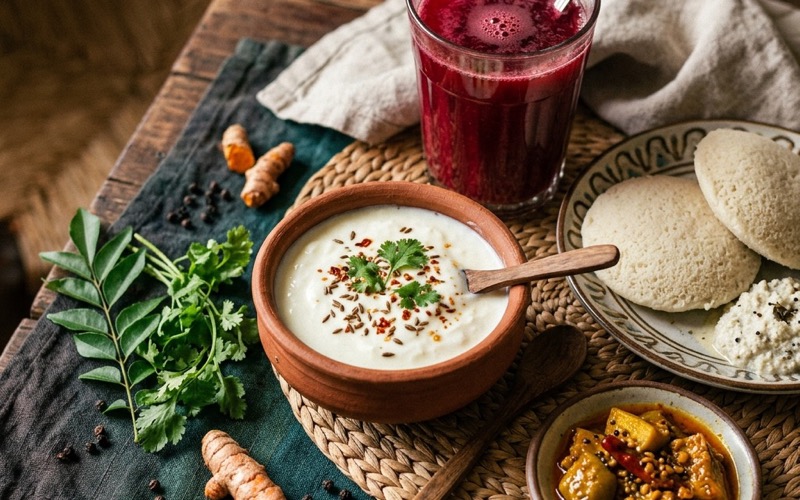
Instead of reaching for synthetic melatonin, 2026 trends point to food-first strategies. Tart cherries (available frozen or as concentrate in metro cities) are among the richest natural sources. Closer to home, banana, rolled oats, and pumpkin seeds (kaddu ke beej) provide tryptophan and magnesium — precursors for serotonin and melatonin synthesis. A small bowl of curd with a teaspoon of roasted pumpkin seeds and a few banana slices makes a perfect pre-bed snack.
Traditional drinks also shine. Warm milk with a pinch of nutmeg (jaiphal) and turmeric has been used for generations; nutmeg contains compounds that may modulate GABA receptors, promoting relaxation. For a plant-based option, try almond milk with saffron (kesar) and a date — both feature in Ayurvedic texts as nidrajanan (sleep-inducing) ingredients. These are not magic bullets, but consistent inclusion supports the body’s own rhythm.
Circadian Eating: The 2026 Game-Changer
Time-restricted eating aligned with circadian biology is gaining traction. The principle is simple: finish your last meal by 7:30 pm, allowing at least three hours before bedtime. This window lets insulin return to baseline, so growth hormone can surge unimpeded during early sleep. A 2023 study in Cell Metabolism showed that early time-restricted feeding improved insulin sensitivity and blood pressure even without weight loss — a finding highly relevant for Indian metabolic phenotypes.
Practical steps for Indian households: shift dinner prep earlier, use a pressure cooker or Instant Pot to speed cooking, and keep post-dinner snacks to a minimum. If hunger strikes, a few almonds or a spoonful of roasted chana are better than biscuits or fruit juice. Our guide to late-night eating and liver disease risk explains why the liver’s nightly repair cycle suffers when we eat late.
Magnesium, Ashwagandha, and the Supplement Conversation
Magnesium deficiency is widespread in India due to refined grains and low green-leafy intake. Magnesium glycinate is the form best studied for sleep — it crosses the blood-brain barrier and supports GABAergic activity. A typical dose studied in trials is 300 mg elemental magnesium taken 30-60 minutes before bed, but always consult your doctor before starting. Our magnesium forms cheat sheet breaks down which type suits your need.
Ashwagandha (Withania somnifera) root extract, standardized to 5% withanolides, has clinical data showing reduced cortisol and improved sleep quality at 300 mg twice daily. However, quality varies wildly across brands. Look for third-party tested products and avoid if you are pregnant, on thyroid medication, or have autoimmune conditions. Supplements are adjuncts — not substitutes for a dark room and regular schedule.
Bedroom Environment: Dark, Cool, Quiet
Urban Indian bedrooms face triple threats: LED streetlights seeping through thin curtains, AC temperatures set too high (26-28°C), and constant notification pings. The ideal sleep temperature is 18-20°C; if central cooling is unaffordable, a table fan with a bowl of ice water nearby creates a cooler microclimate. Blackout curtains or a well-fitted eye mask are non-negotiable for melatonin preservation.
Noise pollution is an underrated sleep disruptor. Traffic, construction, and loud neighbours fragment sleep architecture even if you don’t fully wake. White noise apps or a simple table fan running on low can mask intermittent sounds. Our article on noise pollution health risks in Indian homes details how chronic night noise raises cardiovascular risk via sympathetic activation.
Evening Wind-Down Rituals That Work
A consistent pre-sleep routine signals safety to the nervous system. Start 60 minutes before bed: dim lights to warm amber, put phones on aeroplane mode, and sip a caffeine-free herbal infusion — chamomile, tulsi, or lemongrass are widely available. Gentle stretching or five minutes of diaphragmatic breathing (4-7-8 technique) lowers heart rate variability, easing the transition to parasympathetic dominance.
Avoid stimulating content — news, work emails, or intense serials. Instead, keep a gratitude journal by the bedside; writing three specific things you appreciated that day shifts focus from rumination. For families, a quiet conversation or reading aloud to children replaces screen time and strengthens bonds. Consistency matters more than duration — even 20 minutes done nightly beats an hour done sporadically.
Movement and Light: Daytime Anchors for Night Sleep
Morning sunlight within 30 minutes of waking sets the circadian clock by suppressing residual melatonin and triggering cortisol’s healthy morning peak. A 15-minute walk on the balcony, terrace, or nearby park — without sunglasses — provides 10,000+ lux even on cloudy days. This single habit improves sleep onset latency more reliably than any evening intervention.
Physical activity timing also matters. Vigorous exercise within three hours of bed can delay sleep onset for some people. If evenings are your only window, opt for yoga, slow walking, or our snacktivity fitness breaks spread through the day. Resistance training in the late afternoon may actually deepen slow-wave sleep, per emerging data — a win for those building muscle to combat insulin resistance.
Tracking Sleep Without Obsession
Wearables and apps now offer sleep stage estimates, HRV, and readiness scores. Use them as trend tools, not nightly report cards. Orthosomnia — anxiety about perfect sleep scores — ironically worsens sleep. Review weekly averages: are you consistently getting 7-7.5 hours? Is deep sleep above 15%? Is resting heart rate dropping by morning? These patterns matter more than a single night’s data.
If tracking reveals persistent issues — loud snoring, gasping, frequent awakenings — discuss with a physician. Obstructive sleep apnea is underdiagnosed in non-obese Indians due to craniofacial structure. A home sleep study can confirm, and CPAP therapy dramatically improves metabolic markers. Do not self-diagnose; let data guide a conversation with a sleep specialist.
Frequently Asked Questions
Which Indian foods increase melatonin naturally?
Tart cherries, banana, rolled oats, pumpkin seeds (kaddu ke beej), and walnuts are among the best dietary sources. Warm milk with nutmeg or saffron also supports the pathway. Include a small portion 30-60 minutes before bed for gentle effect.
Is ashwagandha safe for daily sleep use?
Standardized root extract at 300 mg twice daily shows benefit in trials, but it can interact with thyroid, immunosuppressant, or sedative medications. Pregnant women should avoid it. Choose third-party tested brands and consult your doctor before long-term use.
What is the ideal dinner time for hormone balance?
Finish dinner by 7:30 pm, allowing three hours before sleep. This lets insulin fall so growth hormone can rise during early deep sleep. Early time-restricted feeding improves insulin sensitivity even without calorie restriction.
Can magnesium supplements fix my sleep?
Magnesium glycinate (300 mg elemental) taken before bed may improve sleep onset and quality, especially if dietary intake is low. It supports GABA and muscle relaxation. However, it works best alongside dark, cool room habits and regular sleep-wake times.
How do I block noise in a noisy Indian neighbourhood?
Use a white noise app or a table fan on low to mask intermittent sounds. Heavy curtains, door draft stoppers, and a well-fitted eye mask help. If noise causes frequent awakenings, discuss with a doctor — fragmented sleep raises cardiovascular risk over time.
Your Sleep Recovery Journey Starts Tonight
The sleep recovery hormone health wellness trends India 2026 landscape is clear: honour your biology with circadian-aligned meals, magnesium-rich whole foods, a pitch-dark room, and a wind-down ritual that fits your family life. No single hack replaces the basics, but layering these evidence-backed, culturally familiar practices creates compounding benefits for insulin, cortisol, and mood. Which one change will you try first — earlier dinner, pumpkin seeds in your curd, or a phone-free hour before bed? Share your experience in the comments below.
💚 Want more simple, science-backed tips for eating well the Indian way? Download the Healthilicious Plate app for daily health guides, nutrition tips and healthy desi recipes right on your phone.
Disclaimer: This article is for general information only and is not medical advice. Please consult a qualified doctor or registered dietitian before making changes to your diet, especially if you have a health condition, are pregnant or take medication.