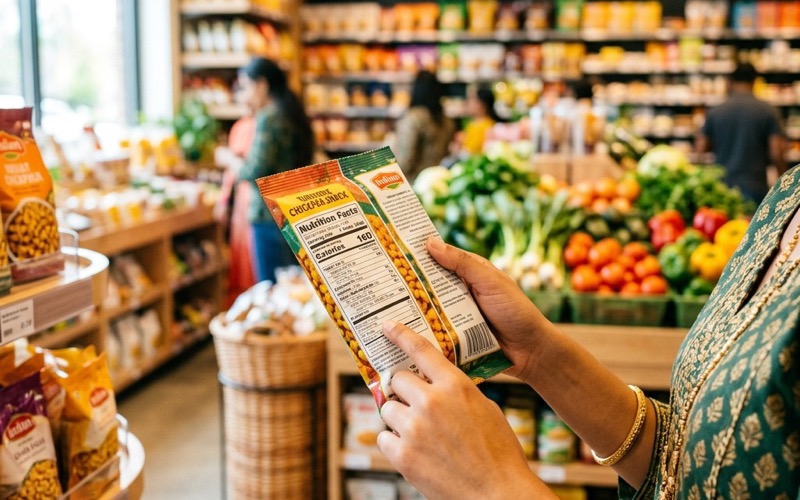
Walking down the supermarket aisle, you see boxes shouting "high protein", "multigrain", "immunity booster" and "zero cholesterol". These bold claims can make any health-conscious shopper reach for the packet without a second thought. But behind the flashy front-of-pack marketing, the nutrition facts panel often tells a very different story. Understanding how to spot misleading health claims on packaged foods is now a essential skill for every Indian household trying to eat better.
Indian regulators like FSSAI have tightened labelling rules, yet brands still find creative ways to highlight one good nutrient while hiding excess sugar, sodium or refined flour. A 2023 study by the Centre for Science and Environment found that many popular breakfast cereals and health drinks contained added sugar levels far above the WHO daily limit, despite carrying "healthy" tags. This guide will help you decode the fine print, recognise common marketing tricks, and choose genuinely nourishing options for your family.
Key Takeaways
- Front-of-pack claims like "multigrain" or "baked not fried" do not guarantee a healthy product; always check the ingredient list and nutrition panel.
- Added sugars hide under 50+ names such as maltodextrin, invert syrup, fruit juice concentrate and high-fructose corn syrup.
- Serving sizes on Indian packs are often unrealistically small (10-15 g), making calorie and sodium numbers look deceptively low.
- FSSAI now mandates front-of-pack warning labels for high fat, sugar and salt (HFSS); look for the red octagons rolling out from 2025.
- Whole, minimally processed foods — seasonal vegetables, dals, millets, nuts — remain the most reliable choice for daily nutrition.
Why Front-of-Pack Claims Can Mislead
Marketing teams know that Indian shoppers scan the front of a pack for less than three seconds. Words like "natural", "wholesome", "light" and "superfood" are largely unregulated descriptors that create a health halo. For example, a "multigrain" bread may list refined wheat flour (maida) as the first ingredient with only 5% millet flour added. The ICMR-NIN Dietary Guidelines for Indians 2024 emphasise reading the ingredient list in descending order of weight to know what you are actually eating.
Another common tactic is highlighting a single nutrient — "high fibre" or "rich in vitamin D" — while the product delivers a day's worth of added sugar or sodium in one serving. A popular malt-based health drink may provide 10 g of added sugar per 20 g serve, which is half the WHO recommended daily limit for an adult woman. Always cross-check the highlighted claim against the full nutrition table.
Decode the Ingredient List Like a Pro
The ingredient list is your most honest window into the product. Ingredients appear in descending order by weight, so the first three items usually make up the bulk of the food. If sugar, maida, palm oil or starch appear in the top three, the product is ultra-processed regardless of any health claim. Watch for sugar aliases: dextrose, maltose, liquid glucose, agave nectar, date syrup and evaporated cane juice are all added sugars.
Also look for hidden sodium sources such as monosodium glutamate (MSG), sodium benzoate, baking soda and soy sauce solids. A packet of "baked" soya sticks can pack 600-800 mg sodium per 30 g serve — nearly a third of the ICMR daily limit of 2,300 mg. Choose products with short ingredient lists featuring recognisable kitchen staples like whole wheat, chana dal, peanuts, ragi or amaranth.
Serving Size: The Silent Deceiver
Indian nutrition labels often base values on a 10 g or 15 g serving — far less than what a person actually eats. A 30 g pack of masala oats may show 120 kcal per "serving" but the pack contains two servings. If you eat the whole pack, you double the calories, sugar and salt. Always check "per 100 g" column for fair comparison across brands.
When comparing two brands of peanut butter, use the per-100 g column: one may show 8 g sugar per 100 g while another shows 0 g. The same applies to sodium in papad, pickles and ready-to-eat poha mixes. Carry a mental benchmark: 5 g sugar per 100 g is moderate; above 15 g is high. For sodium, 120 mg per 100 g is low; above 600 mg is high.
Common Marketing Tricks in Indian Supermarkets
Brands use several predictable tricks that Indian shoppers can learn to spot. Here are the most frequent ones:
- "Baked not fried" — often still high in refined flour, palm oil and salt; check total fat and sodium.
- "No added sugar" — may contain fruit juice concentrate, dates or maltodextrin which act like sugar in the body.
- "Cholesterol free" — meaningless on plant-based foods like oils or biscuits; cholesterol only exists in animal products.
- "Made with real fruit" — often less than 2% fruit pulp plus added flavour and colour.
- "Immunity booster" — vague term; look for specific nutrients like vitamin C, zinc or selenium with %RDA values.
Recognising these patterns saves you from paying a premium for ordinary ultra-processed food. Our guide on how to read food labels breaks down the seven checkpoints nutritionists use every time they shop.
What FSSAI's New Warning Labels Mean for You
The Food Safety and Standards Authority of India (FSSAI) has approved front-of-pack nutrition labelling (FOPNL) with red octagonal warning symbols for products high in fat, sugar or salt (HFSS). The regulation is expected to roll out in phases from 2025. Until then, you can use the ICMR-NIN threshold: more than 30% of total calories from fat, more than 10% from added sugar, or more than 1.5 g salt per 100 g signals an HFSS product.
These warnings will appear on the front of packs for categories like namkeen, biscuits, breakfast cereals, sweetened beverages and ready-to-eat meals. When you see a red octagon, treat it as a "pause and compare" signal — not a ban, but a prompt to check if a lower-HFSS alternative exists. For deeper context on how dietary guidelines are evolving, see the new ICMR dietary guidelines 2024 summary.
Smart Swaps for Everyday Pantry Staples
You don't need to abandon convenience; just upgrade the quality. Here are practical swaps for common packaged items:
- Breakfast cereal → plain steel-cut oats or dalia with chopped apple, cinnamon and a handful of almonds.
- Flavoured yogurt → plain dahi mixed with fresh mango pulp or stewed guava in season.
- Masala oats packet → plain rolled oats cooked with turmeric, mustard seeds, curry leaves, grated carrot and peas.
- Protein bar → roasted chana + peanuts + a date, or homemade sattu laddoo with jaggery.
- Instant noodles → whole wheat noodles or millet vermicelli tossed with plenty of seasonal vegetables and a boiled egg.
These swaps keep preparation under 15 minutes while cutting hidden sugars, excess sodium and refined oils. Seasonal produce like amla in winter, jamun in monsoon and tender coconut in summer adds antioxidants without a label to decode.
Teaching Kids and Elders to Read Labels
Label literacy is a family skill. Turn grocery trips into a game: ask your child to find a biscuit with "whole wheat" as the first ingredient and less than 10 g sugar per 100 g. For elders managing blood pressure, practise spotting sodium per serve versus per 100 g on papad and pickle jars. The healthy tiffin ideas for school-going kids post includes label-reading tips tailored for children's snacks.
Print a wallet-sized cheat sheet with the ICMR sugar and sodium benchmarks and keep it in your reusable grocery bag. Over time, the whole household learns to ignore the marketing noise and trust the ingredient list instead.
Frequently Asked Questions
How to identify hidden sugar in packaged food India?
Check the ingredient list for names like maltodextrin, invert syrup, liquid glucose, fruit juice concentrate, dextrose, maltose and agave nectar. If any appear in the top three ingredients, the product is high in added sugar despite "no added sugar" claims.
FSSAI front of pack warning label rules 2025 kya hain?
FSSAI has approved red octagonal warning symbols for products high in fat, sugar or salt (HFSS). Rollout begins in phases from 2025 on categories like namkeen, biscuits, cereals and sweetened drinks. The label means "high in" that nutrient — compare with alternatives.
Multigrain bread vs whole wheat bread kaun sa better hai?
Whole wheat bread with "whole wheat flour" as the first ingredient is usually better. Multigrain often means mostly maida with a sprinkle of millets. Always read the ingredient list; the first ingredient decides the real base.
Baked snacks healthy hote hain kya?
Not necessarily. "Baked not fried" snacks can still be high in refined flour, palm oil and salt. Check total fat and sodium per 100 g. A baked soya stick may have 600-800 mg sodium per 30 g serve — similar to fried versions.
Packaged food me serving size kaise check karein?
Look at the nutrition table: note the serving weight (often 10-15 g) and servings per pack. Multiply the per-serving values by the number of servings you actually eat. For fair brand comparison, always use the "per 100 g" column.
Final Thoughts
Spotting misleading health claims on packaged foods becomes second nature once you know where to look — ingredient list first, nutrition table second, front-of-pack claims last. The new FSSAI warning labels will make this easier, but your best defence remains a kitchen stocked with whole, seasonal ingredients that need no label at all. Next time you pick up a "healthy" snack, flip it over and ask: would my dadi recognise every ingredient? What is the most surprising claim you have caught on a food packet? Share your label-reading wins in the comments below.
💚 Want more simple, science-backed tips for eating well the Indian way? Download the Healthilicious Plate app for daily health guides, nutrition tips and healthy desi recipes right on your phone.
Disclaimer: This article is for general information only and is not medical advice. Please consult a qualified doctor or registered dietitian before making changes to your diet, especially if you have a health condition, are pregnant or take medication.